

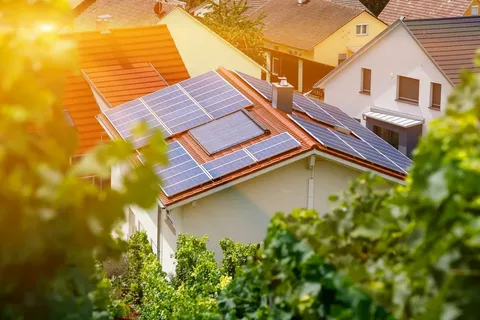
In recent years, home solar power systems have grown from a niche option to a mainstream solution for reducing energy bills and promoting sustainability. Understanding the technology behind today’s home solar power system is crucial for homeowners who want to make informed decisions about installing solar panels and optimizing energy use.
How Home Solar Power Systems Work
At the core of any home solar power system are photovoltaic (PV) panels, which convert sunlight into electricity. These panels are made of semiconductor materials, usually silicon, that generate direct current (DC) electricity when exposed to sunlight. However, most homes run on alternating current (AC), which is where inverters come in. The inverter converts the DC electricity from the solar panels into AC electricity that can power household appliances.
In addition to PV panels and inverters, modern systems often include battery storage units. These batteries store excess energy generated during the day for use at night or during power outages, increasing the efficiency and reliability of the system.
Key Components of Today’s Solar Technology
Understanding the technology behind today’s home solar power systems involves familiarizing yourself with several key components:
- Solar Panels: High-efficiency panels capture sunlight and convert it into electricity. Advances in panel technology have made them more durable, efficient, and aesthetically pleasing.
- Inverters: These devices ensure the electricity generated is compatible with household appliances. Some systems also use smart inverters that can interact with the grid.
- Battery Storage: Lithium-ion batteries are the most common, storing surplus energy and providing backup during outages.
- Monitoring Systems: Modern solar setups often include digital monitoring tools that track energy production and consumption in real-time, helping homeowners optimize usage and detect issues early.
Benefits of Modern Solar Technology
By understanding the technology behind today’s home solar power systems, homeowners can appreciate the many advantages:
- Reduced Energy Bills: Solar panels can drastically cut electricity costs by generating your own power.
- Energy Independence: Battery storage allows you to rely less on the grid and protect against outages.
- Environmental Impact: Solar energy reduces carbon emissions and supports sustainable living.
- Smart Home Integration: New systems can be integrated with home automation tools for even greater efficiency.
The Future of Home Solar Systems
Advances in technology continue to make solar power more efficient and accessible. Innovations like bifacial panels, improved battery chemistry, and AI-driven energy management systems are transforming how homeowners produce and use energy. Understanding the technology behind today’s home solar power systems ensures that you are prepared to choose the best setup for your needs and take full advantage of future innovations.