
The global pandemic reshaped nearly every aspect of daily life, and the cleaning industry was no exception. What was once seen as a routine or occasional service has transformed into a critical component of health, safety, and workplace efficiency. Cleaning services are no longer just about keeping spaces visually appealing—they have become central to public health and well-being.
A Shift Towards Health-Focused Cleaning
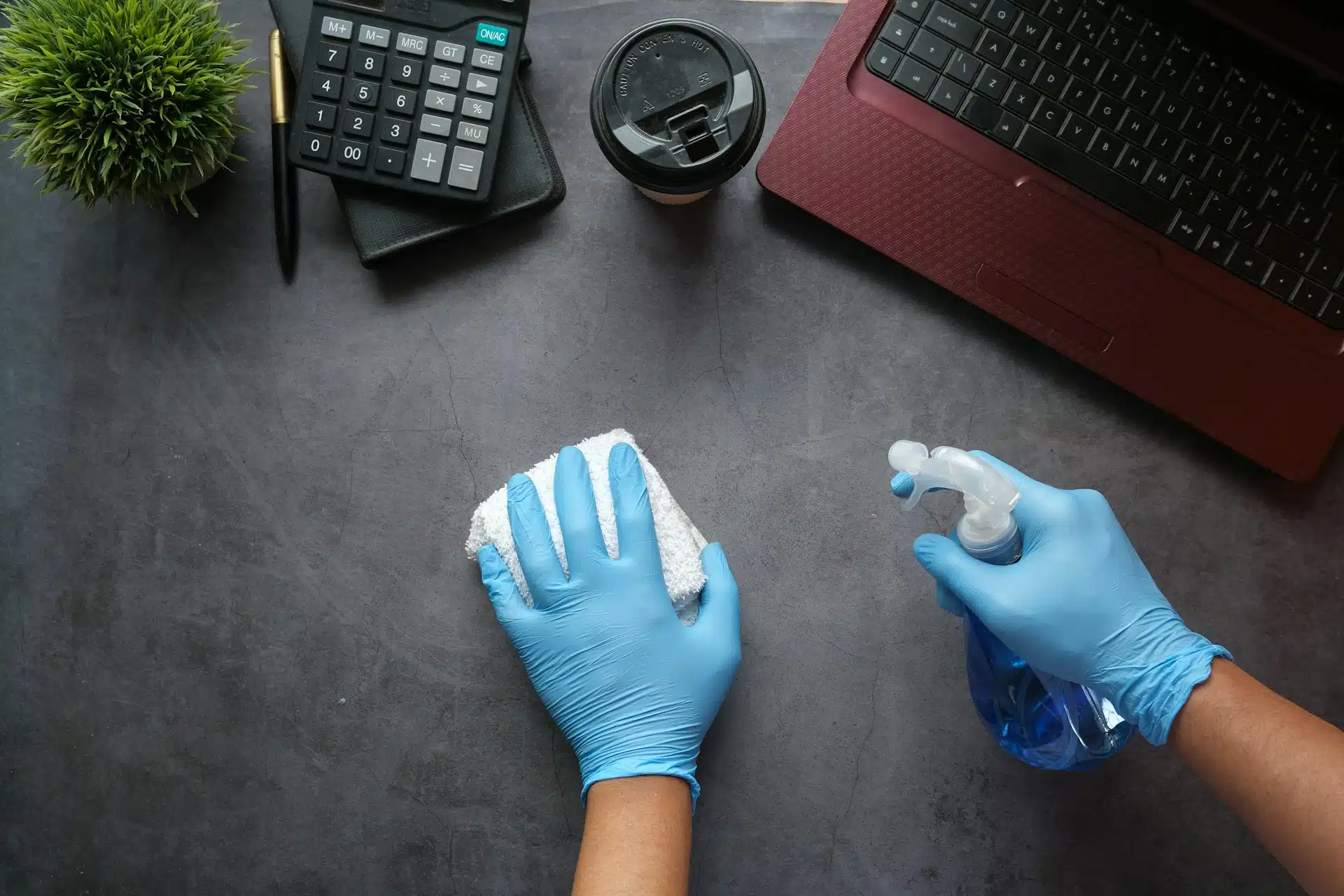
Before the pandemic, cleaning services were primarily evaluated on aesthetics—dust-free surfaces, sparkling floors, and polished fixtures. Post-pandemic, the focus has shifted toward sanitation and hygiene. Companies now emphasize deep cleaning, disinfecting high-touch areas, and using hospital-grade cleaning agents. Consumers and businesses alike are demanding cleaning services that reduce the risk of virus transmission, signaling a move from traditional cleaning toward health-oriented practices.
Technology Driving Efficiency
Technology has become a game-changer for cleaning services in the post-pandemic era. From automated vacuum cleaners and floor scrubbers to sensor-enabled disinfecting devices, modern tools allow cleaning staff to maintain larger areas more efficiently and consistently. Moreover, software solutions help track cleaning schedules, monitor performance, and ensure compliance with hygiene standards, providing clients with transparency and peace of mind.
Eco-Friendly and Sustainable Practices
Another significant trend in cleaning services is the growing demand for environmentally friendly solutions. Businesses and homeowners are increasingly conscious of the chemicals used in cleaning products and their environmental impact. Post-pandemic, cleaning companies are investing in green alternatives, including biodegradable detergents, low-VOC disinfectants, and energy-efficient equipment, reflecting a balance between safety, health, and sustainability.
Customized Services for Diverse Needs
The pandemic has highlighted that one-size-fits-all approaches are no longer sufficient. Cleaning services are evolving to provide highly customized solutions based on the type of environment—residential, commercial, or healthcare. Whether it’s targeted sanitization in hospitals or deep-cleaning offices after hours, companies are tailoring their offerings to meet unique client needs, blending flexibility with expert guidance.
Employee Safety and Training
The pandemic has also emphasized the importance of workforce safety. Cleaning staff are now trained extensively in proper disinfection protocols, use of personal protective equipment (PPE), and safe handling of chemicals. Cleaning services are increasingly seen as professional operations requiring skilled personnel rather than low-cost labor, elevating the industry’s standards and reputation.
The Rise of Smart and On-Demand Services
Finally, consumer expectations have shifted toward convenience. Post-pandemic, there is a noticeable rise in on-demand and subscription-based cleaning services. Clients now prefer booking services digitally, scheduling recurring cleanings, and receiving real-time updates on the status of their cleaning. This shift not only improves accessibility but also enhances customer experience, making cleaning services more integrated into everyday life.
Conclusion
The pandemic has permanently altered the landscape of cleaning services. Today, they are not merely about appearances—they are essential for health, safety, and peace of mind. From technology-driven efficiency and eco-friendly practices to customized solutions and workforce professionalism, cleaning services are evolving to meet higher expectations than ever before. In a world where hygiene has become paramount, the industry’s growth and innovation are set to continue well into the future.
