

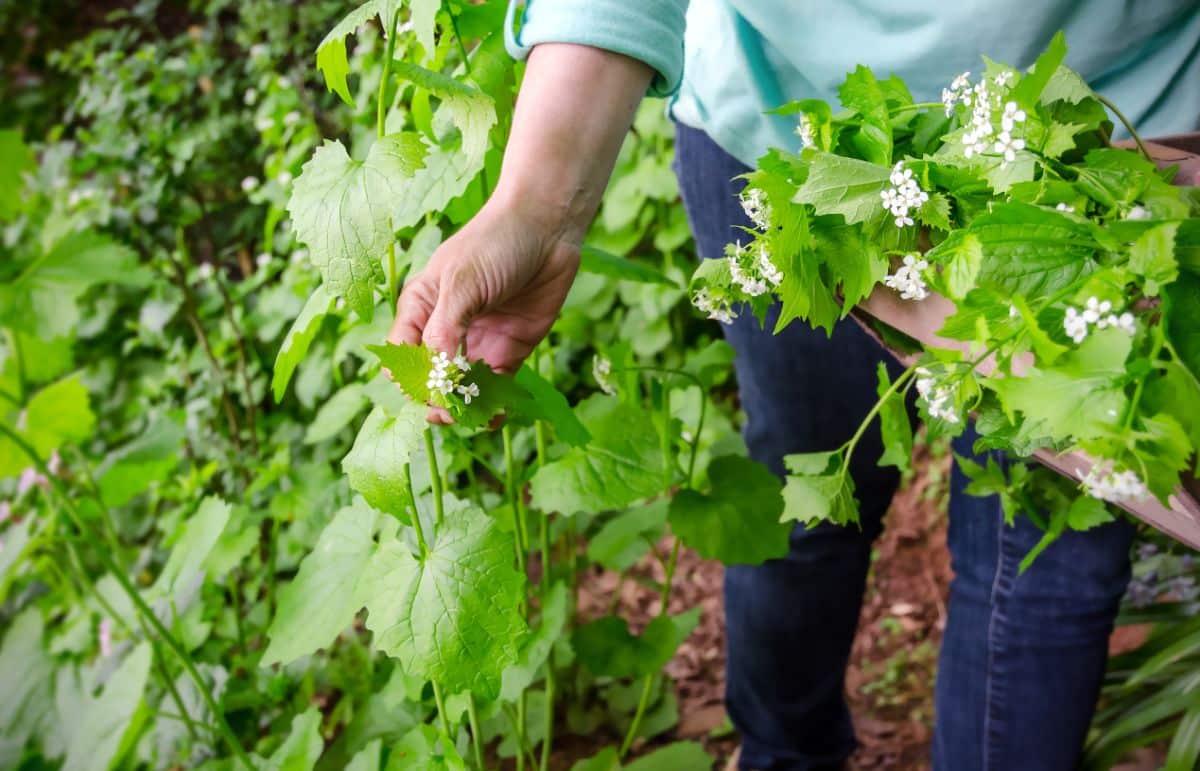
In a world where grocery prices keep climbing, many people overlook one of the easiest and most sustainable food sources growing right under their feet—edible weeds. These resilient plants are often richer in nutrients than cultivated vegetables and require no effort to grow. If you’ve ever wondered how to turn your garden (or even a nearby patch of land) into a free food source, this guide will walk you through the top edible weeds and how to use them in everyday meals.
Interestingly, while some people search online for where can i buy weed edibles, nature already provides its own version of “edibles” for free—no packaging, no additives, just fresh, organic nutrition.
Why Eat Weeds?
Edible weeds are not just survival food—they’re a nutritional powerhouse. Many contain higher levels of vitamins, minerals, and antioxidants than common vegetables. Because they grow wild, they are also naturally hardy and often free from chemical treatments.
Incorporating weeds into your diet can:
- Reduce grocery bills
- Add unique flavors to your meals
- Support sustainable living
- Encourage a deeper connection with nature
Dandelion: The Backyard Superfood
Dandelions are one of the most recognizable weeds—and one of the most useful.
Every part of the plant is edible:
- Leaves: Slightly bitter, perfect for salads or sautéing
- Flowers: Can be used in teas or even homemade syrups
- Roots: Often roasted and used as a coffee substitute
Rich in vitamins A, C, and K, dandelions are excellent for boosting immunity and digestion.
Purslane: The Omega-3 Powerhouse
Purslane is a low-growing succulent weed that thrives in warm climates. It has a slightly tangy, lemony flavor and a crunchy texture.
What makes purslane special is its high content of omega-3 fatty acids—rare for a plant source. It works well in:
- Fresh salads
- Stir-fries
- Sandwiches
It’s a perfect addition if you’re looking to add nutrition without spending extra money.
Lamb’s Quarters: Wild Spinach Alternative
Often mistaken for a nuisance plant, lamb’s quarters is actually a fantastic substitute for spinach.
Its leaves are tender and mild, making them ideal for:
- Cooking like spinach
- Adding to soups and stews
- Mixing into omelets
It’s packed with calcium, iron, and protein, making it a valuable addition to any diet.
Chickweed: A Gentle, Fresh Green
Chickweed is a delicate plant with small leaves and tiny white flowers. It has a mild, slightly sweet taste.
You can use chickweed:
- Raw in salads
- Blended into green smoothies
- As a garnish
It’s especially refreshing and easy to digest, making it great for light meals.
Plantain (Not the Banana!)
Plantain weed grows almost everywhere and is often stepped on without notice.
Its uses include:
- Young leaves: Tender enough for salads
- Older leaves: Better cooked or added to soups
Plantain is also known for its medicinal properties, particularly for soothing inflammation and aiding digestion.
Nettles: Handle with Care, Eat with Joy
Stinging nettles might seem intimidating, but once cooked, they lose their sting and become highly nutritious.
Nettles are rich in iron and protein and can be used in:
- Soups
- Teas
- Pasta dishes
Always wear gloves when harvesting, but don’t let that stop you—this weed is worth the effort.
Tips for Safe Foraging
Before you start harvesting edible weeds, keep these guidelines in mind:
- Correct identification is crucial: Never eat a plant unless you are 100% sure of what it is
- Avoid polluted areas: Stay away from roadsides or chemically treated lawns
- Harvest sustainably: Take only what you need and leave enough for regrowth
- Wash thoroughly: Clean all plants before consuming
Turning Weeds into Delicious Meals
Edible weeds can easily become part of your everyday cooking. Here are a few simple ideas:
- Mix wild greens into your regular salads
- Add them to soups, curries, or stir-fries
- Blend into smoothies for a nutritional boost
- Use as toppings for pizzas or sandwiches
With a bit of creativity, these “weeds” can rival store-bought vegetables in both taste and nutrition.
Final Thoughts
The next time you see weeds in your garden, think twice before pulling them out. Many of these plants are not just edible—they’re incredibly nutritious and versatile. While people often search for where can i buy weed edibles, the truth is that some of the best edible options are already growing freely around you.
By learning to identify and use these plants, you can turn your outdoor space into a natural pantry—one that’s healthy, sustainable, and completely free.