

Introduction
Modern agriculture is evolving rapidly with the help of advanced technologies, and one of the most impactful innovations is GNSS technology. Precision Farming GNSS: Transforming Modern Agriculture has become a major topic among farmers, agronomists, and agricultural equipment manufacturers because it improves efficiency, accuracy, and productivity. GNSS, or Global Navigation Satellite System, allows farmers to manage fields with greater precision while reducing waste and operational costs.
From automated tractors to accurate field mapping, precision farming has changed how crops are planted, monitored, and harvested. As global food demand continues to rise, farmers are increasingly adopting smart agricultural solutions to maximize output and maintain sustainability.
What Is GNSS in Precision Farming?
GNSS refers to satellite-based positioning systems such as GPS, GLONASS, Galileo, and BeiDou. These systems provide accurate location data that helps farmers navigate fields and operate machinery with minimal overlap or error.
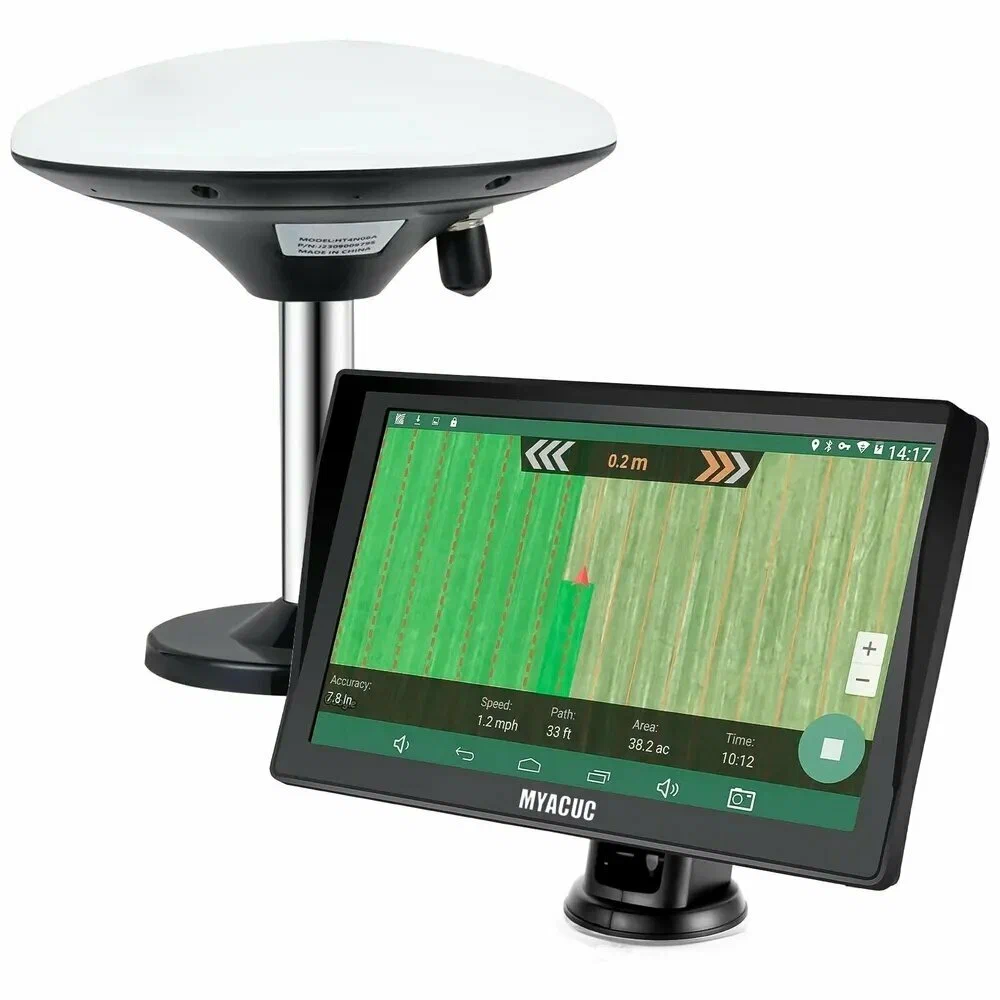
In precision farming, GNSS technology is integrated into tractors, harvesters, drones, and farm management software. This combination allows operators to perform tasks like seeding, fertilizing, and spraying with remarkable precision.
The concept of precision farming gnss: Transforming Modern Agriculture is centered around using satellite guidance to make farming operations smarter and more efficient.
Benefits of Precision Farming GNSS
Improved Field Accuracy
GNSS technology enables farmers to map fields accurately and follow exact planting patterns. This reduces overlap during planting and spraying, which helps save seeds, fertilizer, and fuel.
Increased Productivity
With automated steering and real-time positioning, farmers can cover larger areas in less time. Precision farming equipment also reduces human error, leading to better crop management and higher yields.
Reduced Operational Costs
One of the biggest advantages of precision farming is cost reduction. Farmers can optimize the use of agricultural inputs, minimizing unnecessary expenses while improving crop performance.
Better Environmental Sustainability
Precision agriculture supports environmentally friendly farming practices. Accurate application of fertilizers and pesticides helps reduce chemical runoff and soil damage, promoting healthier ecosystems.
Applications of GNSS in Modern Agriculture
Auto-Steering Systems
Modern tractors equipped with GNSS can steer automatically with high accuracy. This technology reduces driver fatigue and ensures straight, consistent rows across the field.
Variable Rate Technology (VRT)
VRT allows farmers to apply fertilizers, water, and pesticides at different rates depending on field conditions. GNSS helps identify exact locations where adjustments are needed.
Crop Monitoring and Mapping
Farmers can use GNSS-enabled drones and sensors to monitor crop health, soil conditions, and irrigation needs. Accurate field maps help improve decision-making throughout the growing season.
Harvest Management
During harvesting, GNSS systems help machinery operate efficiently by tracking routes and minimizing crop losses. This improves harvesting speed and accuracy.
The growing adoption of Precision Farming GNSS: Transforming Modern Agriculture demonstrates how satellite technology is reshaping traditional farming practices.
Challenges in Implementing GNSS Technology
Although GNSS technology offers numerous benefits, some farmers face challenges when adopting these systems. High equipment costs, limited technical knowledge, and connectivity issues in remote areas can slow implementation.
However, as technology becomes more affordable and accessible, more farms are expected to adopt precision agriculture solutions. Governments and agricultural organizations are also supporting digital farming initiatives worldwide.
The Future of Precision Farming
The future of agriculture will rely heavily on automation, artificial intelligence, and satellite navigation systems. GNSS technology will continue to evolve with improved accuracy and better integration with smart farming equipment.
Innovations such as autonomous tractors, robotic harvesting systems, and real-time farm analytics will further strengthen the role of Precision Farming GNSS: Transforming Modern Agriculture in global food production.
As climate change and population growth create new agricultural challenges, precision farming technologies will become essential for sustainable farming and efficient resource management.
Conclusion
GNSS technology is revolutionizing the agricultural industry by improving efficiency, accuracy, and sustainability. Farmers can now manage their operations with greater precision while reducing costs and increasing productivity.
The rise of Precision Farming GNSS: Transforming Modern Agriculture highlights the importance of smart farming technologies in meeting future food demands. As adoption continues to grow, GNSS-based precision farming will play a critical role in shaping the future of agriculture worldwide.