

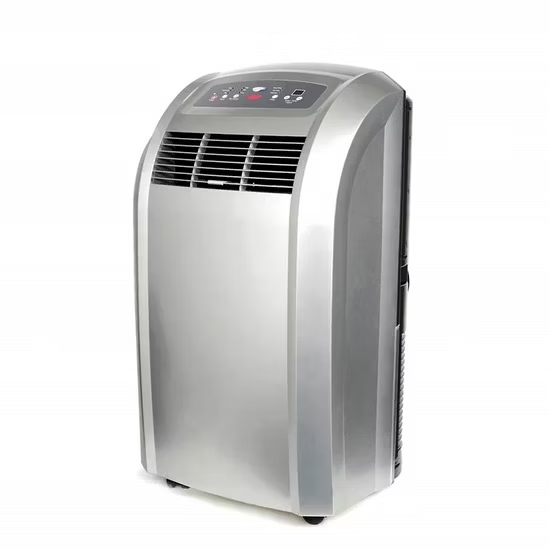
As summers continue to get warmer in New Zealand, more homeowners and renters are turning to portable cooling solutions. One of the most searched topics today is Comparing the Best portable air conditioner nz Models in 2026, as consumers look for efficient, affordable, and flexible ways to stay cool without installing fixed systems.
This guide breaks down what matters most when evaluating different units and how to make the right choice for your space.
Why Portable Air Conditioners Are Popular in NZ
Portable air conditioners have become increasingly popular across New Zealand due to their convenience and adaptability. Unlike traditional split systems, they don’t require permanent installation, making them ideal for renters, small apartments, and temporary cooling needs.
When Comparing the Best Portable Air Conditioner NZ Models in 2026, many users prioritize flexibility, especially in homes where structural changes aren’t allowed.
Key reasons for their popularity include:
- Easy installation with minimal setup
- Mobility between rooms
- Lower upfront cost compared to fixed systems
- Suitable for small to medium-sized spaces
Key Features to Look for in 2026 Models
Technology in portable air conditioners has improved significantly, and 2026 models now offer smarter, more energy-efficient features.
When Comparing the Best Portable Air Conditioner NZ Models in 2026, pay attention to the following:
1. Cooling Capacity (BTU Rating)
The BTU rating determines how powerful the unit is. Larger rooms require higher BTU capacity, while smaller rooms can function well with lower-rated models.
2. Energy Efficiency
Energy efficiency is critical for reducing electricity bills. Look for models with inverter technology or high Energy Star ratings.
3. Noise Levels
Modern portable AC units are quieter than older versions, but some still produce noticeable noise. Bedrooms and offices benefit from ultra-quiet models.
4. Smart Controls
Many 2026 units include Wi-Fi connectivity, mobile apps, and voice control integration with smart home systems.
5. Dehumidifier Function
In humid regions of New Zealand, this feature helps improve comfort beyond just cooling.
Comparing the Best Portable Air Conditioner NZ Models in 2026
When Comparing the Best Portable Air Conditioner NZ Models in 2026, it’s important to look beyond brand names and focus on real-world performance.
Here are the main categories of models available:
Budget-Friendly Models
These are ideal for small rooms or occasional use. They offer basic cooling features but may lack advanced smart controls or ultra-quiet operation.
Mid-Range Models
The most popular category, offering a balance of efficiency, noise control, and smart features. These are suitable for bedrooms and living rooms.
Premium Models
High-end units come with advanced inverter technology, ultra-quiet performance, better energy savings, and full smart home integration.
Energy Efficiency and Running Costs in New Zealand
Electricity costs in New Zealand can vary, so energy consumption is a major factor when choosing a unit.
When Comparing the Best Portable Air Conditioner NZ Models in 2026, consider:
- Daily usage hours
- Room insulation quality
- Temperature settings
- Energy-saving modes
A more efficient model may cost more upfront but save significantly over time.
Room Size and Proper Sizing Guide
Choosing the right size unit is essential for effective cooling.
- Small rooms (up to 15m²): Lower BTU units
- Medium rooms (15–30m²): Mid-range BTU units
- Large rooms (30m²+): High-capacity portable ACs
Undersized units will struggle, while oversized units may waste energy.
Maintenance and Ease of Use
Maintenance is another important factor when evaluating models.
Most portable air conditioners require:
- Regular filter cleaning
- Water tank drainage (for some models)
- Vent hose installation and occasional checks
Modern units are becoming more user-friendly, with self-evaporation systems reducing maintenance needs.
Final Thoughts
The demand for portable cooling solutions continues to grow, and making the right choice requires careful comparison. Whether you’re focused on energy savings, smart features, or simple portability, understanding the differences between models is essential.