

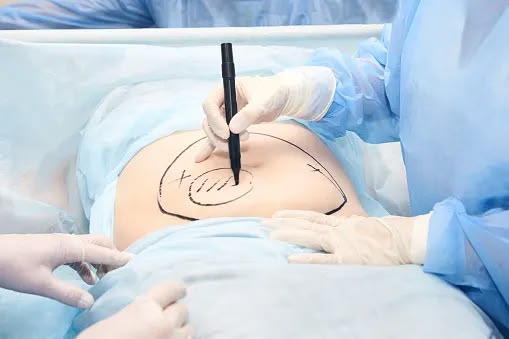
Liposuction is one of the most popular cosmetic procedures worldwide, helping individuals remove stubborn fat deposits that do not respond to diet and exercise. While liposuction can significantly improve body contours and boost confidence, understanding the entire process—from consultation to recovery—is essential for achieving the best results.
Contents
ToggleIf you’re considering SmartLipo in The Woodlands, TX , knowing what to expect before, during, and after surgery can help you prepare both physically and mentally for the journey ahead.
What Is Liposuction?
Liposuction is a cosmetic surgical procedure designed to remove excess fat from specific areas of the body. Common treatment areas include:
- Abdomen and waist
- Hips and thighs
- Buttocks
- Upper arms
- Back
- Chin and neck
- Chest (for male breast reduction)
It’s important to understand that liposuction is not a weight-loss solution. Instead, it is a body contouring procedure intended to target localized fat deposits that are resistant to traditional weight management methods.
Who Is a Good Candidate for Liposuction?
The best candidates for liposuction typically:
- Are close to their ideal body weight
- Have good skin elasticity
- Maintain a healthy lifestyle
- Have realistic expectations
- Are in good overall health
- Do not smoke or are willing to stop smoking before surgery
Liposuction works best for individuals looking to refine specific areas rather than achieve dramatic weight loss.
Before Surgery: Preparing for Liposuction
Initial Consultation
Your journey begins with a consultation with a board-certified plastic surgeon. During this appointment, the surgeon will:
- Review your medical history
- Evaluate your body shape and fat distribution
- Discuss your goals and expectations
- Explain available liposuction techniques
- Determine whether you’re a suitable candidate
This is also the time to ask questions about risks, recovery, and expected results.
Medical Evaluation
Before surgery, you may undergo:
- Blood tests
- Physical examinations
- Medication reviews
- Health screenings
Your surgeon will ensure you are healthy enough for the procedure.
Lifestyle Adjustments
Several weeks before surgery, your surgeon may recommend:
- Stopping smoking and nicotine products
- Avoiding blood-thinning medications
- Limiting alcohol consumption
- Maintaining a stable weight
- Following a healthy diet
These steps help reduce complications and promote faster healing.
Planning Your Recovery
Preparation doesn’t end with medical evaluations. Patients should arrange:
- Transportation home after surgery
- Assistance during the first few days
- Time off work
- Comfortable recovery clothing
- A designated recovery space at home
Proper planning can make recovery significantly smoother.
During Surgery: What Happens in the Operating Room?
Anesthesia
Depending on the treatment area and amount of fat being removed, liposuction may be performed using:
- Local anesthesia
- Sedation
- General anesthesia
Your surgeon will recommend the most appropriate option based on your individual case.
The Liposuction Procedure
Although techniques vary, most liposuction procedures follow a similar process:
- Small incisions are made near the treatment area.
- A specialized fluid is injected to reduce bleeding and discomfort.
- A thin tube called a cannula is inserted beneath the skin.
- The surgeon carefully loosens and removes excess fat.
- Incisions are closed or left partially open for drainage.
Common Liposuction Techniques
Tumescent Liposuction
The most widely used method, tumescent liposuction involves injecting a solution containing saline, anesthetic, and medication to minimize bleeding.
Ultrasound-Assisted Liposuction (UAL)
This technique uses ultrasound energy to liquefy fat before removal, making extraction easier in dense areas.
Laser-Assisted Liposuction
Laser energy melts fat cells and may stimulate some skin tightening.
Power-Assisted Liposuction (PAL)
A vibrating cannula helps break up fat more efficiently, often reducing procedure time.
How Long Does Surgery Take?
Procedure times vary based on the number of treatment areas and amount of fat removed. Most liposuction surgeries last between one and four hours.
Immediately After Surgery
Once surgery is complete, patients are monitored in a recovery area until they are stable enough to return home.
Common immediate side effects include:
- Swelling
- Bruising
- Mild pain
- Fluid drainage
- Temporary numbness
These symptoms are normal and generally improve over time.
Compression Garments
Patients are usually required to wear compression garments after surgery. These garments help:
- Reduce swelling
- Support healing tissues
- Improve body contouring results
- Minimize fluid accumulation
Following garment instructions is crucial for optimal recovery.
Recovery Timeline: What to Expect After Liposuction
First Week
During the first few days:
- Swelling and bruising peak
- Mild discomfort is common
- Prescription pain medication may be needed
- Light walking is encouraged
Most patients can return to basic daily activities within several days.
Two to Four Weeks
As healing progresses:
- Bruising gradually fades
- Swelling begins to decrease
- Energy levels improve
- Many patients return to work
Strenuous exercise should still be avoided unless approved by your surgeon.
One to Three Months
During this phase:
- Most swelling subsides
- Body contours become more visible
- Skin adjusts to the new shape
- Results continue to improve
Patients often notice significant changes in clothing fit and body proportions.
Six Months and Beyond
Final liposuction results may take several months to fully appear. By this stage:
- Residual swelling has largely disappeared
- Body contours are well defined
- Surgical areas have healed completely
Patience is important, as final results develop gradually.
Potential Risks and Complications
Like any surgical procedure, liposuction carries certain risks.
Possible complications include:
- Infection
- Bleeding
- Fluid accumulation
- Irregular contours
- Skin numbness
- Scarring
- Blood clots
- Anesthesia-related complications
Choosing an experienced and qualified surgeon significantly reduces these risks.
How Long Do Results Last?
One of the major benefits of liposuction is that removed fat cells do not return. However, remaining fat cells can still enlarge if significant weight gain occurs.
To maintain results:
- Follow a balanced diet
- Exercise regularly
- Stay hydrated
- Maintain a stable weight
- Adopt healthy lifestyle habits
Long-term success depends on maintaining overall wellness.
Common Myths About Liposuction
Myth 1: Liposuction Is a Weight-Loss Procedure
Liposuction is designed for body contouring, not major weight reduction.
Myth 2: Fat Will Return to Treated Areas
Removed fat cells are permanently eliminated, though weight gain can affect remaining fat cells.
Myth 3: Liposuction Tightens Loose Skin
While some skin contraction may occur, liposuction is not a substitute for skin-tightening procedures.
Myth 4: Results Are Immediate
Although some changes are visible early, final results typically take several months to fully develop.
Tips for a Smooth Recovery
To support healing and maximize results:
- Wear compression garments as directed
- Attend all follow-up appointments
- Stay hydrated
- Eat nutrient-rich foods
- Avoid smoking
- Walk regularly to promote circulation
- Follow your surgeon’s instructions carefully
Small steps during recovery can make a significant difference in your final outcome.
Final Thoughts
Liposuction remains one of the most effective cosmetic procedures for reshaping and contouring the body. By understanding what to expect before, during, and after surgery, patients can approach the process with confidence and realistic expectations.
The key to successful liposuction lies in choosing a qualified surgeon, preparing thoroughly, following post-operative instructions, and maintaining a healthy lifestyle afterward. With proper care and patience, liposuction can deliver long-lasting improvements that enhance both appearance and self-confidence.
Liposuction 101: What to Expect Before, During, and After Surgery
Liposuction is one of the most popular cosmetic procedures worldwide, helping individuals remove stubborn fat deposits that do not respond to diet and exercise. While it is not a weight-loss solution, liposuction can effectively reshape and contour specific areas of the body, enhancing overall appearance and confidence. If you’re considering this procedure, understanding what happens before, during, and after surgery can help you make an informed decision and prepare for a smoother recovery.
What Is Liposuction?
Liposuction is a surgical procedure designed to remove excess fat from targeted areas of the body. Common treatment areas include:
- Abdomen and waist
- Hips and thighs
- Buttocks
- Upper arms
- Back
- Neck and chin
- Chest area
The procedure is often chosen by people who are close to their ideal weight but struggle with localized fat deposits that resist traditional weight-loss methods.
Who Is a Good Candidate for Liposuction?
The best candidates for liposuction typically:
- Are in good overall health
- Have realistic expectations
- Maintain a stable body weight
- Possess good skin elasticity
- Have stubborn pockets of fat that don’t respond to exercise or dieting
Liposuction works best as a body contouring treatment rather than a solution for obesity. Patients seeking significant weight reduction may need to explore other options.
Before Surgery: Preparing for Liposuction
Initial Consultation
The journey begins with a consultation with a qualified plastic surgeon. During this appointment, the surgeon will:
- Review your medical history
- Discuss your goals and expectations
- Evaluate the treatment areas
- Explain the procedure and possible risks
- Determine whether you are a suitable candidate
This is the ideal time to ask questions and gain a clear understanding of the expected results.
Medical Evaluation
Before surgery, patients may need:
- Blood tests
- Physical examinations
- Medication reviews
- Health screenings
Certain medications, supplements, and herbal products may need to be discontinued temporarily to reduce the risk of bleeding and complications.
Lifestyle Adjustments
To prepare for surgery, your surgeon may recommend:
- Stopping smoking several weeks before the procedure
- Avoiding alcohol consumption
- Maintaining a healthy diet
- Staying hydrated
- Arranging transportation and post-operative assistance
These steps can improve healing and reduce recovery time.
During Surgery: What Happens in the Operating Room?
Anesthesia
Depending on the extent of the procedure, liposuction may be performed under:
- Local anesthesia
- Sedation
- General anesthesia
The type of anesthesia used will depend on the treatment area and the amount of fat being removed.
The Procedure
The surgeon begins by making small incisions near the treatment area. A thin tube called a cannula is inserted through these incisions.
The cannula is used to:
- Loosen fat deposits
- Break apart excess fat
- Suction fat from the body
Modern liposuction techniques may include:
Tumescent Liposuction
This is the most common technique. A special solution containing saline, medication, and anesthetic is injected into the treatment area to reduce bleeding and discomfort.
Ultrasound-Assisted Liposuction (UAL)
Ultrasound energy helps liquefy fat before removal, making extraction easier in certain areas.
Laser-Assisted Liposuction
Laser technology melts fat cells and may stimulate collagen production, potentially improving skin tightening.
Procedure Duration
The length of surgery depends on the number of treatment areas and the amount of fat being removed. Most procedures take between one and several hours.
Immediately After Surgery
Following the procedure, patients are monitored in a recovery area. Some common experiences include:
- Mild discomfort
- Swelling
- Bruising
- Temporary numbness
- Fluid drainage from incision sites
Most patients can return home the same day, although larger procedures may require an overnight stay.
Recovery: What to Expect After Liposuction
The First Few Days
Recovery varies from person to person, but the first week typically involves:
- Mild to moderate soreness
- Swelling and bruising
- Limited physical activity
- Wearing compression garments
Pain medications and antibiotics may be prescribed to manage discomfort and reduce infection risk.
Compression Garments
Patients are usually instructed to wear compression garments for several weeks. These garments help:
- Reduce swelling
- Support healing tissues
- Improve contouring results
- Minimize fluid accumulation
Following your surgeon’s instructions regarding garment use is essential for optimal outcomes.
Returning to Daily Activities
Many patients can return to desk work within a few days to a week. However:
- Strenuous exercise should be avoided for several weeks
- Heavy lifting should be postponed
- Physical activity should be resumed gradually
Your surgeon will provide specific guidance based on your recovery progress.
When Will You See Results?
While some improvement may be noticeable immediately, swelling can mask the final outcome.
Typical timeline:
- Initial results: Within a few weeks
- Significant improvement: After one to three months
- Final results: Around six months or longer
Patience is important, as the body continues to heal and adjust over time.
Potential Risks and Complications
Like any surgical procedure, liposuction carries certain risks. These may include:
- Infection
- Bleeding
- Fluid accumulation
- Irregular contours
- Temporary numbness
- Scarring
- Anesthesia-related complications
Choosing an experienced, board-certified plastic surgeon can significantly reduce these risks.
Maintaining Your Results
The fat cells removed during liposuction do not return. However, remaining fat cells can still expand if you gain weight.
To maintain long-lasting results:
- Follow a balanced diet
- Exercise regularly
- Stay hydrated
- Maintain a stable weight
- Attend follow-up appointments
Healthy lifestyle habits are key to preserving your new body contours.
Common Myths About Liposuction
Myth 1: Liposuction Is a Weight-Loss Procedure
Liposuction is designed for body contouring, not major weight reduction.
Myth 2: Fat Can Never Return
While treated fat cells are removed permanently, weight gain can still affect untreated areas and remaining fat cells.
Myth 3: Results Are Instant
Swelling and healing take time, and final results may not be fully visible for several months.
Myth 4: Liposuction Tightens Loose Skin
Liposuction removes fat but does not always address significant skin laxity. Additional procedures may be necessary for skin tightening.
Final Thoughts
Liposuction can be an effective solution for individuals seeking to eliminate stubborn fat deposits and achieve a more sculpted appearance. Understanding what to expect before, during, and after surgery helps set realistic expectations and contributes to a successful experience. By choosing a qualified surgeon, following recovery instructions, and maintaining a healthy lifestyle, patients can enjoy long-lasting improvements in body contour and confidence.