

Construction areas are constantly changing. Equipment moves, work zones shift, and new hazards can appear as a project progresses. A strong safety strategy needs to account for those changes while keeping workers and the public aware of what is happening around them.
In this article, we’ll share five ways managers and supervisors can improve safety and security in their construction sites.
Improve Visibility With Clear Warning and Safety Signs
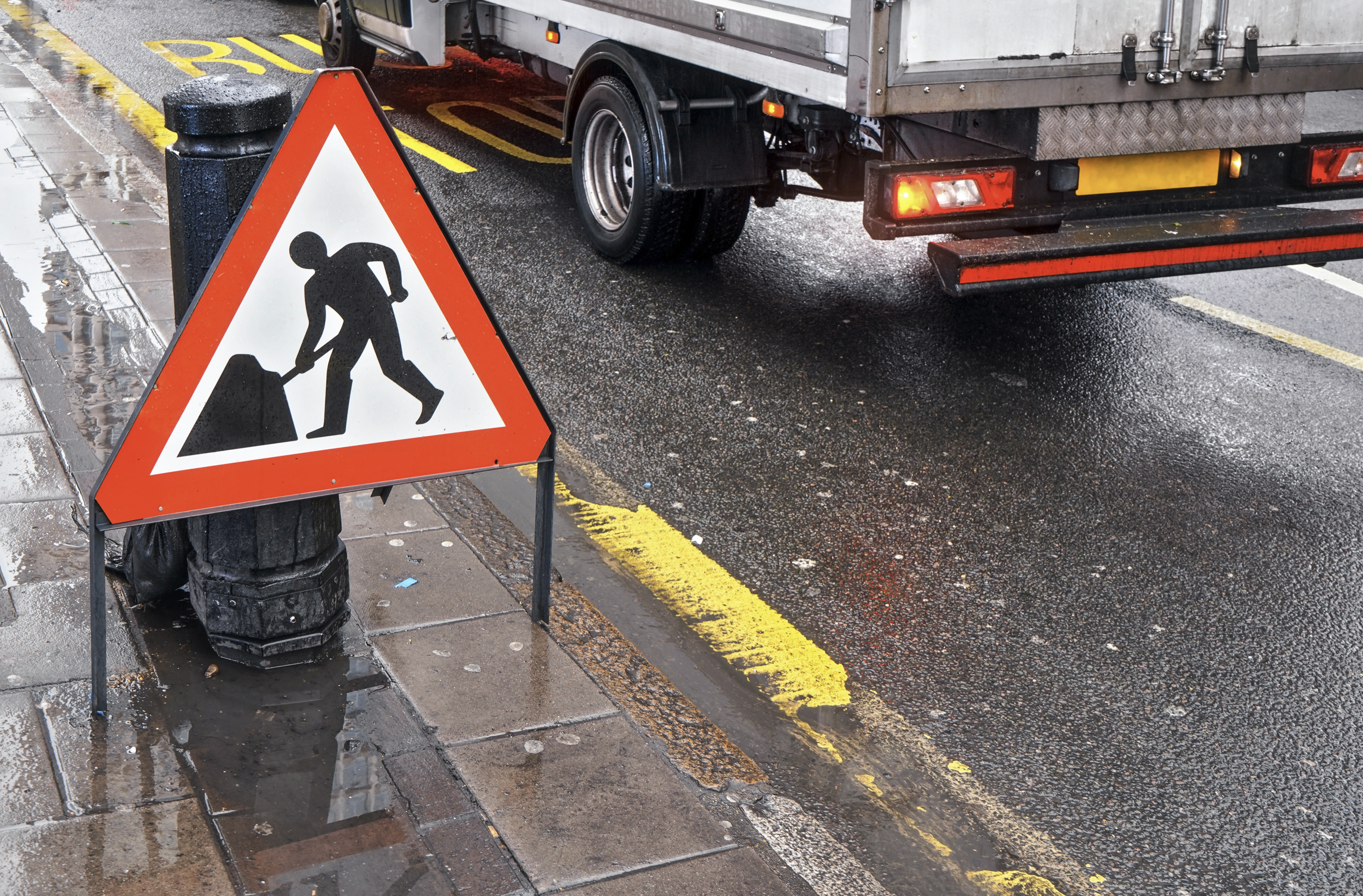
Construction sites can be difficult to navigate, especially when normal walkways, entrances, exits, or traffic patterns are temporarily changed. Clear warning and safety signs, like those from Signs & Safety Devices, help communicate important information before someone enters a hazardous area or approaches moving equipment.
These signs should be easy to see and positioned at an appropriate height. Reflective or high-visibility options can improve awareness when work continues during early morning hours, overnight shifts, busy times of the day, or poor weather. Having durable warning and safety signs can help construction teams maintain clear communication.
Separate People From Moving Construction Equipment
Heavy equipment creates significant risks when workers and pedestrians share the same space. Construction managers can reduce those risks by establishing clearly defined routes for vehicles and separate paths for people whenever the site layout allows. Physical barriers can also provide an additional layer of protection for traffic and pedestrian areas.
Operators need good visibility around their equipment, while workers should avoid assuming that an operator has seen them. These straightforward habits can reduce confusion and help prevent struck-by incidents.
Strengthen Housekeeping and Daily Site Inspections
A cleaner construction site is generally easier to navigate safely. Materials, tools, cords, debris, and other obstacles can create trip hazards or interfere with access routes, especially when they are left in areas that workers use frequently. By establishing housekeeping, you create expectations that keep work surfaces and walkways clear.
Daily inspections can also identify changing conditions before they cause an incident. Supervisors can look for damaged barriers, unstable materials, blocked exits, exposed hazards, or areas where additional controls may be needed. Inspections should not become a routine exercise where familiar problems are simply noted and ignored; when an issue is found, assign responsibility for correcting it and verify that the correction has been completed.
Reinforce Safe Work Practices Through Training
Even well-designed safety controls depend on workers understanding how to use them. Regular training helps employees recognize hazards and respond appropriately when conditions change, such as the introduction of new heavy equipment, altered traffic routes, or shifting weather patterns. New workers should also receive site-specific orientation before beginning their duties.
Toolbox talks can provide a practical way to address immediate concerns without interrupting the entire workday. Also, encourage employees to report hazards and ask questions. A workplace where people feel comfortable speaking up is better positioned to identify problems before they become accidents.
Maintain Emergency Access and Response Procedures
Construction sites need emergency procedures that reflect the realities of the current work area. Access points can change as buildings take shape, materials are delivered, trenches are excavated, and temporary structures are installed, so emergency routes should be reviewed throughout the project.
Workers should know how to reach designated exits and assembly areas, while supervisors should ensure emergency access remains unobstructed. Important contact information should also be readily available to site personnel. Drills should be held to reveal practical problems that may not be obvious during planning, such as an inaccessible route or confusion about where workers should gather. Remember, preparation matters most before an emergency occurs.
Conclusion
Construction safety requires ongoing attention rather than a one-time review. Clear signage, controlled traffic areas, good housekeeping, effective training, and practical emergency planning can help create a safer environment as work progresses.
With regular review of conditions and addressing hazards promptly, construction teams can make safety an active part of every project phase.