

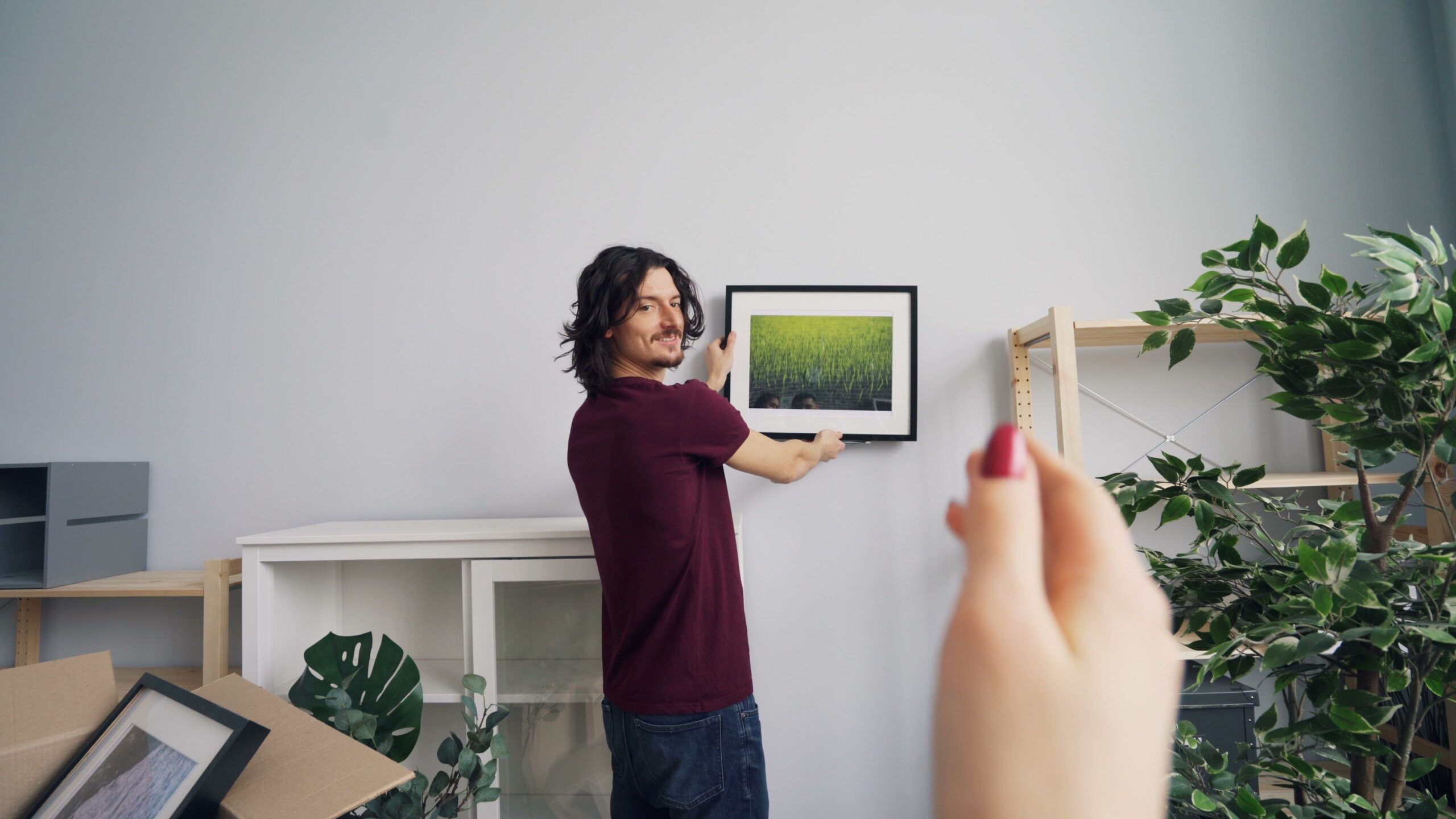
Art has a way of changing how people experience a space. A large installation in a lobby may immediately capture attention, while a smaller piece tucked into an unexpected corner may encourage someone to pause and look more closely. These moments show that art does not need to be limited to one prominent wall or designated gallery area.
Thoughtfully placed art installations can bring personality, visual interest, and meaning to different parts of a home, workplace, commercial property, or public environment. Instead of leaving certain areas empty or treating them as secondary spaces, incorporating art throughout a property creates a more connected visual experience.
Give Overlooked Spaces A Purpose
Every property has areas that receive little design attention. Empty corners, long hallways, stairway landings, and transitional spaces often become places where people simply pass through.
Adding artwork gives these areas a visual purpose. A previously overlooked corner becomes part of the overall design rather than an empty space between more important rooms.
This approach does not mean filling every available surface. Instead, it encourages thoughtful consideration of how each area contributes to the atmosphere of the property. A carefully selected installation may provide exactly the visual element needed to make an otherwise forgotten location feel intentional.
The result is a space where design continues beyond the main living or working areas.
Create A Stronger Sense Of Personality
Art provides an opportunity to express personality in ways that ordinary furnishings may not. Colors, materials, shapes, themes, and artistic styles all contribute to how people perceive an environment.
Using art throughout different areas allows the personality of a space to become more apparent. A hallway might feature a bold contemporary installation, while a quieter corner may benefit from something more subtle.
The goal is not necessarily to make every piece match. In fact, variations in style or scale may create greater visual interest when they are connected by an overall design concept.
A property filled with carefully considered artwork often feels more distinctive because the art reflects choices rather than simply filling empty walls.
Guide Attention Through A Space
People naturally notice visual elements that stand out. Artwork can help guide attention from one area to another and influence how someone experiences the layout of a room or property.
A striking installation near an entrance may establish an immediate focal point. Artwork positioned farther inside may encourage visitors to continue exploring. Smaller pieces placed along a hallway may make the journey through that space more engaging.
This makes art useful as part of the overall flow of an environment. Instead of viewing each room or area as completely separate, artwork can create visual connections that encourage people to experience the property as a whole.
Placement matters significantly. The size, height, surrounding furniture, lighting, and amount of open space all influence how an installation is perceived.
Add Character To Functional Areas
Not every area of a property is designed primarily for relaxation or entertainment. Offices, waiting rooms, corridors, reception areas, dining spaces, and other functional locations may benefit from artwork as well.
Functional spaces sometimes feel sterile when design is focused exclusively on practicality. Art introduces an element of visual character without necessarily interfering with the purpose of the space.
For example, artwork in an office may contribute to the atmosphere without affecting the workstations. A piece in a waiting area may give visitors something engaging to look at while they spend time there.
The key is selecting artwork that works with the purpose of the environment. A busy area may benefit from a simple installation, while a large open space may provide an opportunity for something more substantial.
Make Everyday Experiences More Interesting
One of the most meaningful benefits of art is its ability to make familiar surroundings feel different. People spend significant amounts of time in the same homes, offices, shops, and public spaces. Seeing the same environment every day may eventually make its design fade into the background.
Artwork introduces opportunities for renewed attention. A piece may reveal different details depending on the lighting, viewing angle, or time of day. Even a familiar installation may occasionally make someone stop and notice something they had previously overlooked.
This creates small moments of discovery within everyday surroundings.
Art does not need to be dramatic to have this effect. A carefully positioned piece in a quiet corner may be just as engaging as a large installation in a central location.
Think About Scale And Placement
Using art in every corner does not mean placing artwork everywhere without a plan. Too many pieces may make a space feel visually crowded, while poorly positioned artwork may lose its impact.
Consider the scale of each area before choosing an installation. A large open wall may support a substantial piece, while a narrow hallway or small corner may require something more restrained.
Lighting should also be considered. Artwork needs appropriate visibility, and natural or artificial lighting may affect how colors and textures appear.
Think about sightlines as well. If people naturally approach an area from a particular direction, positioning artwork where it is easily visible may increase its impact.
Create A Cohesive Visual Experience
Art becomes especially effective when individual installations work together as part of a larger environment. This does not require every piece to have the same style. Instead, look for relationships in color, material, scale, theme, or placement.
These connections help prevent the artwork from feeling random. Each installation contributes something distinctive while still belonging to the same overall environment.
When planning an art install, consider the entire property rather than focusing exclusively on individual rooms. Think about how people move through the space and where visual moments could enhance that experience.
Give Every Corner A Reason To Be Noticed
Every corner of a property has the potential to contribute to its atmosphere. Empty areas do not necessarily need elaborate decoration, but thoughtful artwork may help them feel more purposeful and connected to the surrounding environment.
Art installations provide a way to introduce personality, guide attention, add character, and make familiar spaces more engaging. When selected and positioned carefully, they become more than decorative objects. They become part of how people experience a place.
Whether the setting is residential, commercial, or public, approaching each area with intention creates a more complete design. Instead of allowing corners to disappear into the background, thoughtful art placement gives people another reason to look, pause, and appreciate their surroundings.