

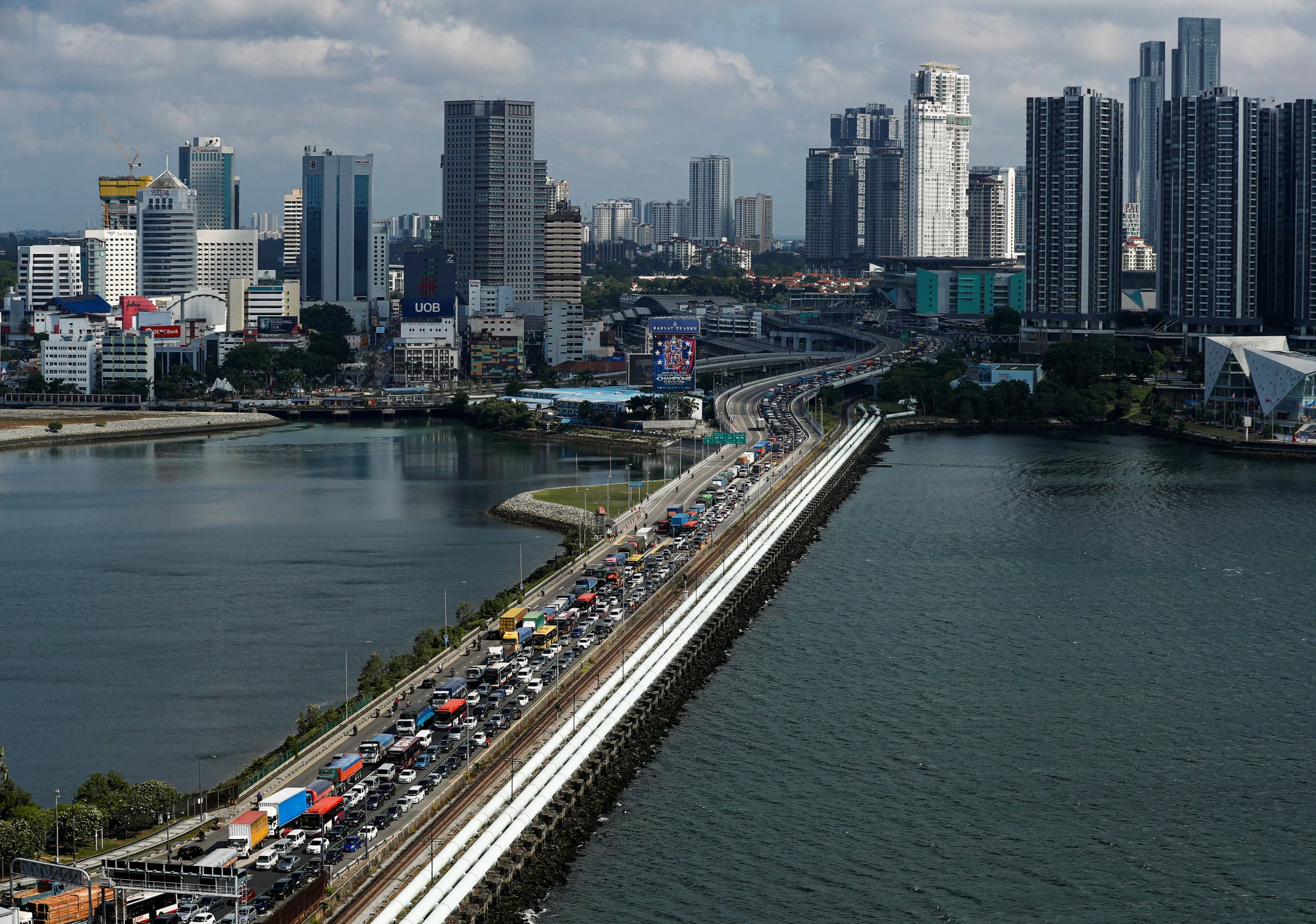
The Vehicle Entry Permit (VEP) was initially designed to manage congestion, security, and compliance along one of Southeast Asia’s busiest land crossings—the Malaysia–Singapore border. While public attention has largely focused on queues at the Causeway and Second Link, the future of VEP Malaysia extends far beyond border checkpoints. As mobility patterns evolve and smart governance becomes a national priority, Malaysia is positioning the VEP as a foundation for a broader, technology-driven transport ecosystem.
From Traffic Control to Strategic Mobility Tool
At its core, the VEP system was created to regulate foreign-registered vehicles entering Malaysia, ensuring proper road tax compliance and enhancing enforcement efficiency. However, policymakers increasingly view VEP Malaysia as more than an administrative requirement.
In the coming years, the system is expected to function as a strategic mobility tool—one that supports traffic analytics, infrastructure planning, and cross-border coordination. By collecting structured vehicle movement data, authorities can better understand peak travel patterns, freight flows, and tourism trends, enabling smarter long-term transport decisions.
Digital Integration and Automation as the Next Step
One of the most significant directions for VEP Malaysia is deeper digital integration. Rather than existing as a standalone permit, future iterations are likely to be embedded into a wider intelligent transport system.
This may include:
-
Seamless integration with automated toll collection
-
Real-time number plate recognition linked to enforcement databases
-
Digital wallets or unified payment platforms for road-related charges
Automation reduces human error, speeds up border clearance, and improves compliance without increasing enforcement manpower. Over time, this could transform border crossings into largely contactless experiences.
Expansion Beyond Singapore-Registered Vehicles
While Singapore remains the primary focus due to traffic volume, Malaysia’s long-term vision for VEP Malaysia may extend to other foreign vehicles entering via land borders, ports, or even special economic zones.
As regional travel increases under ASEAN connectivity initiatives, a scalable VEP framework allows Malaysia to:
-
Apply consistent entry standards across borders
-
Enhance vehicle tracking for safety and security
-
Align policies with regional transport agreements
This broader scope positions Malaysia as a leader in standardized cross-border mobility management within Southeast Asia.
Supporting Smart Cities and Sustainable Transport
Another future-facing role of VEP Malaysia lies in sustainability and urban planning. Vehicle data collected through the system can support initiatives aimed at reducing congestion, emissions, and urban sprawl.
By analyzing entry frequency and vehicle types, authorities can:
-
Encourage cleaner vehicles through differentiated charges
-
Identify high-impact congestion zones
-
Support low-emission or car-lite urban strategies
In this way, the VEP evolves from a control mechanism into a data engine supporting greener and more livable cities.
Strengthening Enforcement Without Heavy Policing
Traditional road enforcement relies heavily on physical inspections and patrols. The future of VEP Malaysia points toward intelligence-led enforcement instead.
With centralized databases and automated alerts, authorities can:
-
Identify non-compliant vehicles instantly
-
Reduce reliance on random roadblocks
-
Focus enforcement resources where they are most effective
This improves fairness, reduces disruption for compliant drivers, and enhances public trust in the system.
Economic and Tourism Implications
A well-implemented VEP Malaysia system also has economic implications. Predictable, transparent entry requirements improve confidence for tourists, logistics operators, and cross-border businesses.
When paired with clear communication and efficient processing, the VEP can:
-
Support smoother tourism flows
-
Reduce delays for commercial transport
-
Enhance Malaysia’s reputation as a well-managed destination
The key lies in balancing regulation with convenience—ensuring compliance without discouraging legitimate travel.
Public Acceptance and the Importance of Communication
No policy succeeds without public understanding. The future effectiveness of VEP Malaysia will depend heavily on how well it is communicated and implemented.
Clear guidelines, user-friendly registration processes, and phased enforcement are essential to maintaining public support. As the system evolves, transparency around data usage, fees, and objectives will be crucial in addressing concerns and misconceptions.
Looking Ahead: A Platform, Not Just a Permit
Ultimately, the future of VEP Malaysia is not about a sticker, RFID tag, or registration number. It is about building a platform—one that connects transport policy, digital governance, and regional mobility into a cohesive framework.
As Malaysia continues to modernize its transport infrastructure and embrace smart technologies, the VEP stands to become a cornerstone of how the country manages movement, security, and sustainability beyond the Singapore border and into the decades ahead.
