

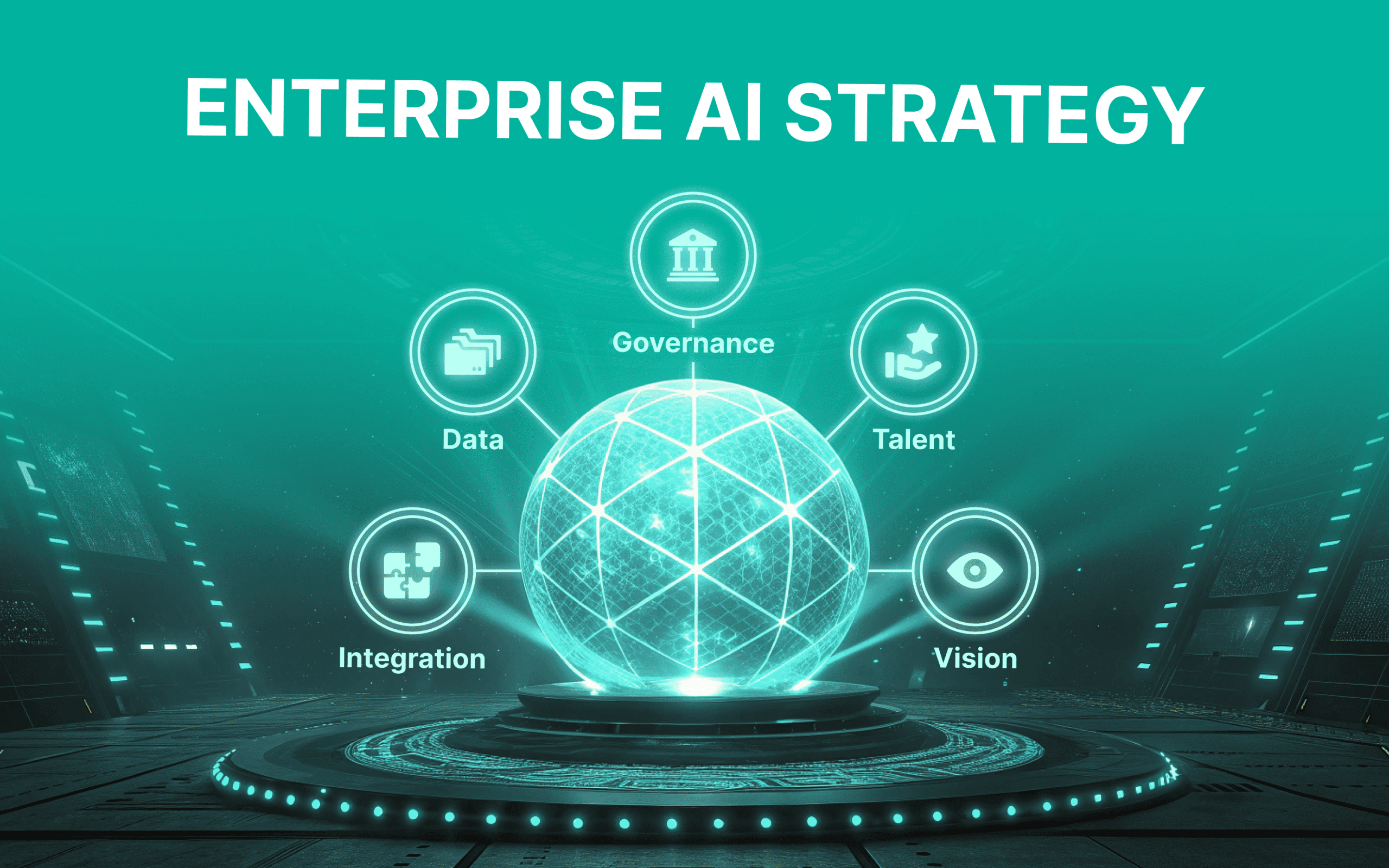
Introduction: Building GenAI Skills for Sustainable Enterprise Growth
Generative ai development company is transforming enterprise workflows, decision-making, and innovation pipelines. However, technology alone cannot deliver value—people and skills are the differentiators. Without a structured GenAI Talent & Capability Development Strategy, enterprises risk underutilizing AI tools, facing adoption resistance, and failing to scale initiatives effectively.
This article explores how enterprises can build, retain, and scale GenAI capabilities, ensuring AI becomes a sustainable competitive advantage.
Why a Talent & Capability Strategy Is Essential for GenAI
GenAI adoption introduces new roles, skills, and ways of working:
- Prompt Engineers: Craft and optimize prompts for accurate AI outputs
- AI Architects & ML Engineers: Design and deploy AI systems
- Business Analysts & Domain Experts: Interpret AI outputs and integrate them into workflows
- Ethical AI Officers & Compliance Leads: Ensure responsible and regulated AI usage
Without a talent strategy, enterprises may face:
- Inefficient GenAI adoption
- Misaligned AI outputs
- Skill shortages and slow upskilling
- Low ROI from AI initiatives
Core Components of an Enterprise GenAI Talent Strategy
1. Skills Assessment & Gap Analysis
Enterprises must assess current workforce capabilities against GenAI requirements:
- AI literacy and digital fluency
- Domain knowledge for AI-augmented workflows
- Understanding of responsible AI and compliance standards
This identifies gaps and informs targeted training programs.
2. Role Definition & Career Pathways
Clearly define roles, responsibilities, and career progression for GenAI functions:
- AI Architects & Engineers: Focus on model deployment and optimization
- Prompt Engineers: Craft effective prompts and workflows
- Business Integration Specialists: Align AI outputs with business goals
- Governance & Compliance Officers: Monitor risks, ethics, and regulatory adherence
Defined pathways help attract, retain, and motivate talent.
3. Learning & Upskilling Programs
Continuous learning ensures employees remain effective:
- Instructor-led and online AI courses
- Hands-on labs and sandbox environments
- Certifications in GenAI platforms and MLOps
- Workshops on prompt engineering, responsible AI, and AI ethics
Upskilling transforms employees into confident AI users and creators.
4. Collaboration & Knowledge Sharing
Foster a GenAI CoE (Center of Excellence) or community of practice:
- Share best practices, successful prompts, and workflows
- Develop reusable templates and frameworks
- Encourage cross-departmental collaboration
Knowledge sharing accelerates adoption and reduces redundant experimentation.
5. Incentives & Recognition
Motivate talent to adopt and innovate with GenAI:
- Recognize high-performing teams and individuals
- Tie GenAI contributions to performance reviews or promotions
- Encourage innovation challenges or AI hackathons
Incentives create a culture that embraces AI as a core capability.
6. Talent Acquisition & Partnerships
Not all GenAI skills exist internally. Enterprises may need to:
- Hire specialized AI engineers, prompt engineers, and data scientists
- Partner with GenAI consulting firms for knowledge transfer
- Engage academic institutions for joint research and internships
Strategic partnerships fill gaps while accelerating internal capability building.
Measuring the Impact of GenAI Talent Initiatives
Enterprises track success through:
- Adoption and utilization rates of AI tools
- Speed and accuracy improvements in workflows
- Employee confidence and proficiency in AI tasks
- Contribution to measurable business outcomes (productivity, cost savings, revenue)
Regular evaluation ensures programs remain aligned with enterprise objectives.
Challenges in Building GenAI Talent
- Rapid evolution of AI tools and platforms
- Competition for AI talent in the job market
- Resistance to changing workflows
- Balancing AI adoption with ethical and compliance concerns
A structured strategy mitigates these challenges and ensures sustainable adoption.
Industries Where GenAI Talent Strategies Are Critical
- Banking & Financial Services: AI-driven analytics, fraud detection, compliance
- Healthcare & Life Sciences: Clinical decision support, documentation automation
- Retail & E-commerce: Personalized marketing, content creation, demand forecasting
- Manufacturing & Energy: Knowledge automation, predictive maintenance
- Enterprise IT: Developer productivity, AI-enabled IT operations
Partnering for Talent & Capability Development
Many enterprises collaborate with Generative AI Consulting firms, and technology providers to:
- Assess skills and identify gaps
- Design role-based learning programs
- Build internal GenAI centers of excellence
- Align talent development with strategic AI initiatives
Partnering accelerates adoption while ensuring employees can leverage GenAI effectively.
From Talent Gaps to Enterprise-Ready GenAI Workforce
Generative AI delivers transformative value only when the enterprise has the right skills, roles, and culture in place. A structured talent and capability development strategy ensures employees are empowered to harness AI, scale adoption, and achieve measurable business impact.
FAQs
1. How long does it take to build GenAI capabilities internally?
Typically 6–12 months for targeted upskilling, but scaling across large enterprises may take longer.
2. Are external partners necessary for GenAI talent development?
Not always, but strategic partnerships accelerate skill acquisition, knowledge transfer, and adoption.
3. Which roles are most critical for enterprise GenAI adoption?
Prompt engineers, AI architects, business integration specialists, and governance/compliance officers are core roles for success.
