

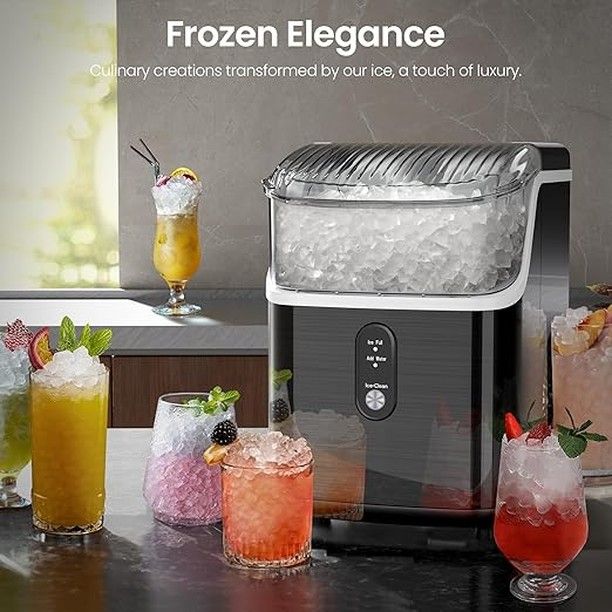
A pellet ice maker is a fantastic addition to any home, delivering that coveted chewable ice on demand. To ensure your machine operates at its peak efficiency, produces the best-tasting ice, and lasts for years to come, proper care and smart usage are essential. Getting the most out of your pellet ice maker goes beyond just plugging it in; it involves a few simple practices that can significantly enhance its performance and extend its lifespan.
1. Prioritize Water Quality
The single most important factor influencing your ice maker’s performance and longevity is the water you use.
- Use Filtered Water: Tap water, even if it tastes fine, often contains minerals (like calcium and magnesium) that can lead to scale buildup on the internal components. This scale reduces efficiency, can damage the machine, and affects the taste of your ice. Always use filtered water – either from a dedicated filter pitcher, a refrigerator dispenser, or an inline water filter if your machine supports it.
- Keep it Fresh: Don’t let water sit in the reservoir for extended periods, especially if the machine isn’t in constant use. Stagnant water can lead to unpleasant odors and bacteria growth. Drain and refill the reservoir with fresh water if the machine has been idle for a few days.
2. Regular Cleaning and Descaling
This is non-negotiable for hygiene and efficiency.
- Follow Manufacturer’s Guidelines: Your ice maker’s manual will provide specific instructions and recommended cleaning frequencies (typically every 1-3 months, depending on usage and water hardness).
- Descaling is Key: Mineral buildup (scale) is the biggest enemy of ice makers. Use an ice maker cleaning solution (often citric acid-based) or a white vinegar solution to dissolve these deposits. Many modern pellet ice makers have a self-cleaning function that automates this process; simply add the solution and press a button.
- Sanitize: After descaling, sanitize the machine to prevent mold and bacteria. Some cleaning solutions combine descaling and sanitizing. For manual cleaning, a mild bleach solution (check your manual for ratios) followed by thorough rinsing can be used.
- Clean Removable Parts: Don’t forget to regularly wash the ice bin, scoop, and any other removable components with warm, soapy water.
3. Optimize Placement and Ventilation
The environment around your ice maker affects its cooling efficiency.
- Adequate Clearance: Ensure there’s enough space around the machine for proper airflow. Check your manual for recommended clearances (usually 4-6 inches on all sides and the back). Blocking vents can cause the compressor to overheat, reducing efficiency and lifespan.
- Avoid Heat Sources: Don’t place the ice maker in direct sunlight or near heat-emitting appliances like ovens, dishwashers, or stovetops. Higher ambient temperatures force the machine to work harder.
- Level Surface: Place the ice maker on a flat, stable, and level surface to minimize vibrations and ensure proper water flow within the unit.
4. Smart Usage Habits
A few simple habits can make a big difference.
- Pre-Chill Water (Optional): If you’re in a hurry for the first batch of ice, using pre-chilled water from your refrigerator can slightly speed up the initial production time.
- Empty the Bin Periodically: While convenient, don’t let the ice sit in the internal bin indefinitely, especially if it’s not well-insulated. Transfer excess ice to a freezer bag and store it in your main freezer to keep it from melting and refreezing in the machine, which can lead to clumping.
- Don’t Overfill: Stick to the “max fill” line in the water reservoir to ensure proper operation.
5. Address Issues Promptly
Don’t ignore warning signs.
- Strange Noises or Odors: If you notice unusual noises, a strange smell, or off-tasting ice, address it immediately. These are often indicators that cleaning is overdue or there’s a minor issue developing.
- Reduced Ice Production: If your machine is making less ice than usual, it could be due to mineral buildup, poor ventilation, or a low water level. Refer to your troubleshooting guide.
By incorporating these tips into your routine, you’ll ensure your pellet ice maker remains a reliable source of delicious, chewable ice for years to come, maximizing your investment and enhancing your daily refreshment.
