

The price you see on a concrete delivery London quote is rarely the price you end up paying. Congestion charges, pump hire, small-load surcharges, and waiting-time penalties all stack on top of the per-cubic-metre rate, and most only apply after the lorry has already left your site.
Concrete delivery in London costs between £100 and £160 per cubic metre in 2026, depending on grade, volume, and postcode. Central London attracts premiums of 15% to 25% above outer-borough rates due to access restrictions, traffic delays, and ULEZ compliance costs that every supplier passes through to the customer. Once pump hire and surcharges are factored in, the total delivered cost typically lands between £130 and £190 per m³.
What Each Concrete Grade Costs in London in 2026
The grade you order has the single biggest impact on your per-cubic-metre price because higher grades contain more cement. Ordering a grade stronger than your project requires wastes money, while ordering too low risks failing the building control inspection.
Domestic Grades
C8 and C10 are the cheapest options at £95 to £110 per m³, suited to non-structural work like blinding layers beneath foundations, garden paths, and drainage backfill. These grades carry no structural rating, so they should never be used for anything load-bearing.
C20 is the standard domestic grade for shed bases, garden walls, and light residential work at £110 to £125 per m³. Most garden and landscaping projects in London fall comfortably within this specification.
Structural Grades
C25
C25 is the minimum grade building control accepts for residential foundations, priced at £120 to £135 per m³. Any load-bearing domestic application requires this grade or above, making it the most commonly ordered specification for house extensions, underpinning, and ground-floor slabs.
C30
C30 handles driveways, garage floors, and heavier residential structural work at £130 to £145 per m³. Commercial ground floors and light industrial slabs also fall into this range.
C35 and C40
These concrete serves commercial foundations, multi-storey structures, and industrial flooring at £140 to £160 per m³. Specifying these grades on a domestic project adds 20% to 30% to material costs without any structural benefit unless your engineer has specifically called for them.
How Volume Changes Your Concrete Delivery London Price
Ordering too little triggers surcharges that inflate the per-metre cost significantly. Ordering enough to cross a discount threshold brings the price back down. Knowing where those thresholds sit helps you plan pours to land on the right side of each bracket.
Small Load Surcharges
Most London suppliers set minimum orders between 2 and 6 m³, and ordering below that triggers a surcharge of £25 to £45 per delivery. A 1 m³ order for a small garden project might reach £150 to £180 per m³ once the surcharge is added, compared to £110 to £125 at standard volume.
Volume Discount Brackets
Larger orders bring the per-metre price down in predictable steps:
- 5 to 9 m³: Standard pricing, no surcharges
- 10 to 24 m³: Typically 5% below standard rates
- 25 to 49 m³: Discounts of 10% to 12% become available
- 50 m³ and above: Savings of 15% or more through negotiated agreements
Why Volumetric Mixing Changes the Maths
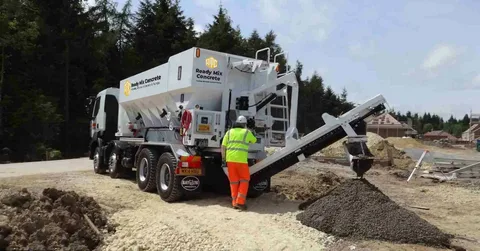
Traditional ready-mix lorries arrive with a fixed batch already mixed at the plant. If your project needs 4.5 m³ and the minimum order is 6 m³, you pay for 1.5 m³ of concrete you cannot use. Volumetric mixers carry raw materials separately and mix on site, charging only for what actually pours. That approach saves 15% to 20% on projects where the exact volume is uncertain or falls between standard delivery increments.
The Hidden Fees on Your Concrete Delivery London Invoice
Several charges sit outside the quoted per-cubic-metre rate, and most suppliers only disclose them when asked directly. Knowing what they are before ordering prevents the invoice shock that catches first-time buyers off guard.
Congestion and ULEZ Charges
Any delivery entering the Congestion Charge zone adds £15 per day to the bill. ULEZ compliance adds another £12.50 for non-compliant vehicles. Central London postcodes in WC, EC, and W1 frequently attract both charges on a single delivery, adding £27.50 before a drop of concrete reaches the site.
Pump Hire
Sites with restricted access, rear gardens, or upper floors require concrete pumping to move the material from the lorry to the pour location. Line pump hire runs £275 to £450 per day, while boom pumps for reaching over obstacles cost £500 to £800. That adds £15 to £30 per m³ to the effective price, depending on volume and distance.
Waiting Time Penalties
Most suppliers allow 5 to 10 minutes of unloading time per cubic metre ordered. Exceeding that window triggers charges of £1 to £2 per minute, which means a 30-minute delay adds £30 to £60 that never appeared in the original quote. Having formwork, reinforcement, and crew ready before the lorry arrives is the simplest way to avoid this entirely.
Weekend and Out-of-Hours Premiums
Saturday delivery attracts 10% to 20% above standard weekday rates. Early morning or late afternoon slots outside normal hours carry similar surcharges depending on the supplier and borough restrictions.
Why Concrete Delivery London Costs More Than Anywhere Else in the UK
London pricing runs 15% to 25% above the national average for the same grade and volume, driven by factors unique to the capital that affect every supplier equally.
Traffic Adds Time to Every Delivery
A 10-mile journey in the outer boroughs can take 45 minutes during peak hours. Central London deliveries routinely exceed an hour for the same distance. Every additional minute on the road costs fuel, driver time, and vehicle wear that gets built into the quote before it reaches the customer.
Site Access Restricts Vehicle Size
Narrow residential streets, conservation area parking limits, and low bridge clearances determine which lorries can reach a site. Smaller vehicles carrying less volume per trip increase the number of deliveries needed, raising the effective cost per cubic metre even when the base rate looks competitive.
Borough Permits Add Administrative Costs
Westminster, Camden, Islington, and several other boroughs require permits for construction vehicle deliveries during restricted hours. Fees vary but typically add £50 to £150 per delivery day to the project budget.
How to Reduce Your Concrete Delivery London Costs
Order the Correct Grade
Specifying C35 when C25 meets your structural requirements wastes 15% to 20% on materials with no benefit. Confirming the required grade with your structural engineer before ordering prevents this common overspend.
Consolidate Pours Into Fewer Deliveries
Multiple small deliveries cost more per cubic metre than a single larger order. Planning the pour schedule to combine volumes into fewer trips helps reduce per delivery surcharges and secure better pricing brackets.
Prepare the Site Before Arrival
Waiting time penalties are entirely avoidable. Completing formwork, placing reinforcement, and having the crew positioned to pour when the lorry backs in keeps unloading within the free window every time.
Book Weekday Slots During Standard Hours
Scheduling pours on weekdays avoids the 10% to 20% premium attached to Saturday and out-of-hours deliveries. The savings on a multi-pour project add up quickly across several delivery days.
Consider Volumetric Over Traditional Ready-Mix
Volumetric mixing charges only for the concrete used, reducing waste when the exact volume is difficult to estimate. Cost savings become more noticeable on smaller residential projects where traditional minimum orders often leave homeowners paying for excess material.
FAQs
What is the average cost of concrete delivery in London in 2026?
Standard grades range from £100 to £160 per m³ excluding VAT. Total delivered cost, including pump hire, congestion charges, and surcharges, typically lands between £130 and £190 per m³.
What is the minimum order for concrete delivery in London?
Most suppliers require between 2 and 6 m³ per delivery. Orders below the minimum attract small load surcharges of £25 to £45 per trip.
Do I need a concrete pump for my London project?
If the lorry cannot park within direct chute reach of your pour location, pumping is required. Rear gardens, basement pours, and sites accessed through narrow passages all typically need pump hire.
Is volumetric concrete cheaper than traditional ready-mix in London?
For projects where the exact volume is uncertain, volumetric mixing saves 15% to 20% by charging only for concrete actually poured. Traditional ready-mix charges for the full batch regardless of usage.
Final Note
The base price per cubic metre is only one piece of what concrete delivery in London actually costs. Congestion charges, pump hire, waiting penalties, and weekend premiums all add layers that turn a reasonable quote into an unexpectedly high invoice. Knowing where those charges sit before placing your order is what separates a well-budgeted pour from one that runs over before the first cubic metre hits the formwork.
Pro-Mix Concrete has been supplying ready mix across London for over 20 years, using volumetric mixers that batch the exact quantity needed on site. Their model means customers pay only for concrete actually poured, eliminating the waste built into traditional fixed-batch deliveries. When concrete costs start piling up fast, their approach keeps pricing simple and easier to manage. Hidden fees stay out of the picture, and every pound goes toward what the project actually needs.