

The roof is the most essential component of a home’s exterior, serving as the first line of defense against the elements. While it is designed to be durable, neglecting its maintenance can lead to significant financial burdens over time.
Many homeowners wait until a visible leak appears before taking action, but by then, the internal damage to the attic, insulation, and drywall may already be extensive.
Implementing a consistent prevention strategy is the most effective way to safeguard your investment. By addressing minor issues today, you can avoid the high costs of emergency interventions and keep your household secure and dry.
1. Managing Professional Storm Damage Repair and Mitigation
Extreme weather events are the leading cause of sudden structural failure. After a period of high winds or heavy precipitation, it is crucial to arrange for professional storm damage repair to address compromised sections of the roof.
Even if the damage seems superficial, small cracks or loosened shingles can allow moisture to seep into the wooden decking below. Experts in restoration can identify hidden issues that could lead to mold growth or structural rot if left untreated.
Promptly managing these repairs after a weather event ensures that a minor incident does not escalate into a total system failure.
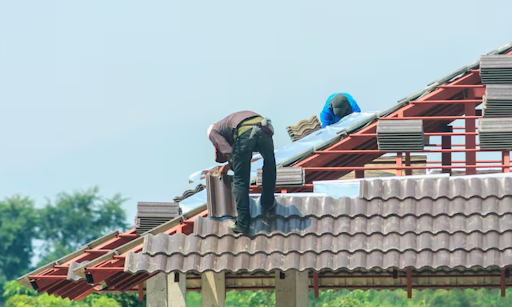
2. Planning for a High-Quality New Roof Installation
Every roofing system has a finite lifespan, and knowing when to transition from maintenance to a new roof installation is key to long-term financial planning. Attempting to repair a roof that has reached the end of its functional life is often a case of diminishing returns.
Investing in a modern replacement allows you to benefit from improved material technologies, such as enhanced UV resistance and better thermal insulation.
A professional installation ensures that the underlying structure is sound and that the new barrier is perfectly sealed, providing decades of protection and significantly increasing the overall market value of the property.
3. Maintaining Clear Gutters and Drainage Systems
A functional roof depends heavily on its ability to shed water efficiently. When gutters become clogged with leaves, silt, and organic debris, water can back up under the lower edge of the shingles. This standing water causes the fascia boards and rafters to rot, leading to expensive structural repairs.
Regularly clearing your drainage system twice a year ensures that rainwater is directed away from the house. This simple maintenance task prevents the saturation of the roof’s perimeter and protects the foundation of the home from water-related erosion.
4. Trimming Overhanging Trees and Vegetation
Large trees can provide beautiful shade, but they also pose a risk to the integrity of your shingles. Overhanging branches can scrape against the roofing surface during windstorms, stripping away the protective granules that shield the material from the sun.
Furthermore, falling leaves and needles trap moisture against the roof, encouraging the growth of moss and algae.
By maintaining a safe distance between your landscaping and the roofline, you reduce the risk of physical impact damage and ensure that the surface stays dry and free from biological growth.
5. Ensuring Proper Attic Ventilation and Insulation
The health of a roof is often determined by the environment directly beneath it. Poor attic ventilation causes heat and moisture to build up, which can warp the roof decking and cause shingles to become brittle from the inside out.
During the winter, inadequate insulation can lead to the formation of ice dams, where melting snow refreezes at the eaves and forces water under the shingles.
Ensuring that your attic has a balanced flow of air and sufficient insulation levels keeps the roof at a stable temperature, preventing the premature aging of the materials.