

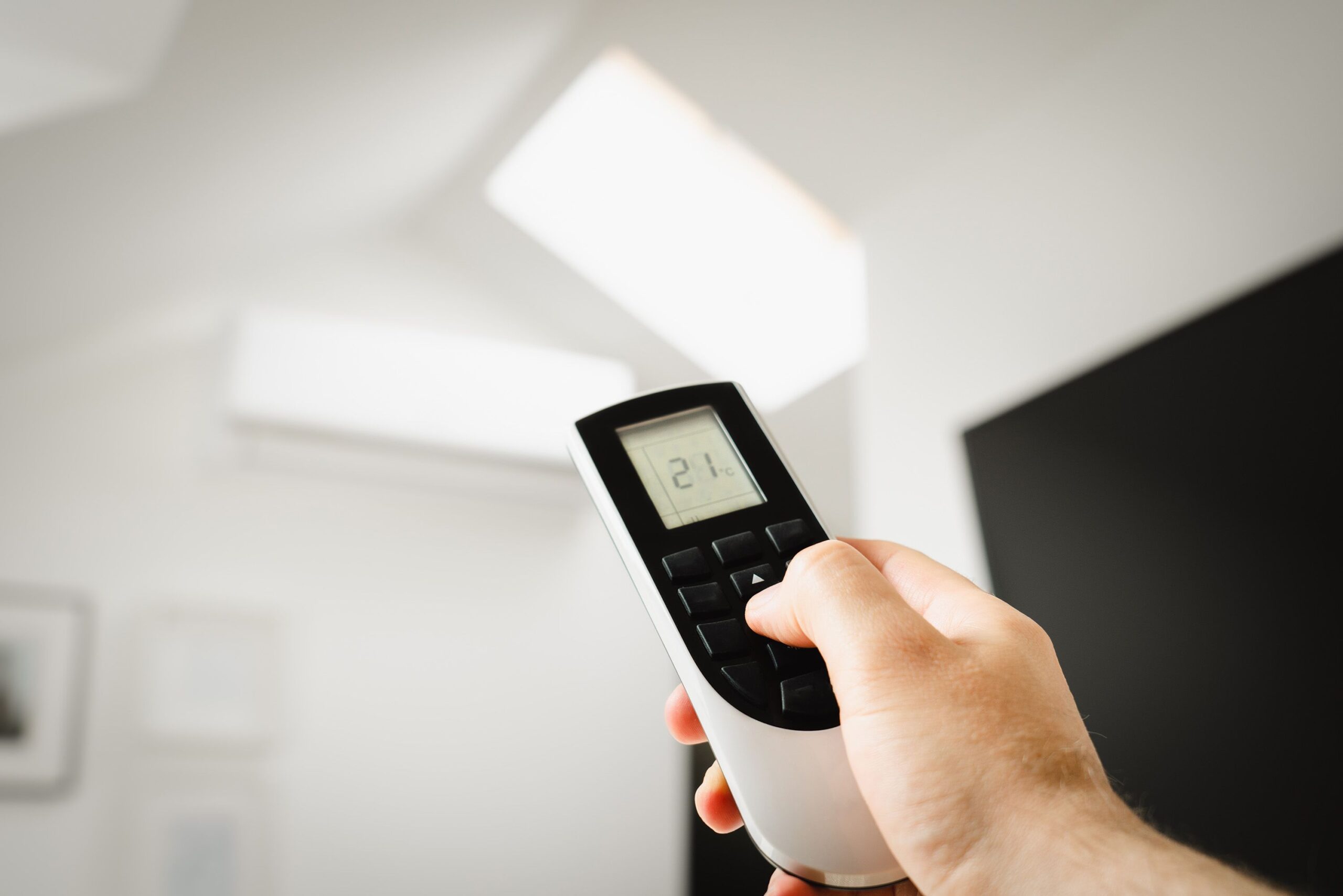
Modern home cooling systems rarely break down completely without offering subtle advance warnings, as paying attention to faint mechanical changes helps homeowners address small issues before major failures occur. Recognizing early indicators protects internal components and ensures steady indoor comfort throughout hot weather. While many ignore performance shifts until the air conditioner stops blowing cold air, acting quickly on minor cues prevents expensive emergency service visits later on. Staying observant transforms routine maintenance into a proactive shield against summer disruptions.
Monitoring Subtle Shifts in Daily Airflow Strength
A gradual reduction in airflow from living room vents often points to developing internal system restrictions. When air registers produce a weak trickle of cool air, internal blower motors must work much harder to circulate climate control throughout the house. Dust buildup on internal coils or clogged air filters often causes this frustrating drop in air velocity.
Restricted airflow forces cooling equipment to run longer cycles to reach set thermostat temperatures. This added operational time increases energy consumption while placing continuous stress on internal mechanical assemblies. Addressing airflow bottlenecks quickly restores proper ventilation and keeps internal components running smoothly. Taking prompt action prevents unnecessary wear and preserves overall system reliability over time.
Tracking Mild Temperature Variations Between Rooms
Uneven cooling across different areas of a home indicates that your system is struggling to balance temperature loads effectively. Rooms situated further away from the central unit may feel warm and humid while closer rooms stay cold. These persistent temperature variations usually signal low refrigerant charges or failing ductwork connections in hidden spaces.
Ignoring temperature imbalances allows underlying mechanical issues to degrade system efficiency over time. Homeowners researching air conditioning repair often learn that fixing minor pressure differences prevents compressor motors from overheating under severe thermal stress.
Balancing air distribution protects heavy-duty components while ensuring consistent indoor comfort across every room. Resolving temperature variations early keeps utility bills manageable throughout peak seasons.
Detecting Unfamiliar Sounds During System Operation
Unexpected operational noises like faint clicking or buzzing should never be dismissed as normal equipment sounds. A persistent clicking sound during startup often points to a worn electrical capacitor that is struggling to trigger the outdoor motor. Catching these faint acoustic warnings early allows homeowners to replace inexpensive parts before major assemblies stop functioning. Timely component replacements protect larger motor assemblies from suffering permanent damage during high demand periods.
Rattling or hums coming from the outdoor cabinet usually indicate loose hardware components or motor vibration issues. Allowing loose parts to vibrate freely damages copper lines and causes electrical connections to disconnect over time. Prompt investigation of unusual sounds keeps cooling units operating quietly and dependably throughout peak summer months.
Observing Subtle Increases in Monthly Energy Usage
Unexplained spikes in monthly electric bills often serve as clear indicators of hidden mechanical inefficiency. When internal components lose efficiency, the entire system consumes more electricity to achieve standard cooling levels. Tracking seasonal utility trends helps homeowners spot performance declines before obvious cooling failures occur.
A sudden rise in power consumption usually means the compressor is struggling against high internal pressure or friction. Replacing worn mechanical parts restores normal power draw and brings monthly utility costs back down.
Monitoring energy statements acts as a reliable metric for assessing overall cooling health. Watching these trends closely gives you clear foresight into necessary maintenance needs.
Spotting Minor Moisture Accumulation Near Equipment
Finding small puddles or moisture trails around indoor air handlers points to drainage problems inside the unit. Condensate drain lines frequently collect algae or dust debris, which prevents water from flowing outside properly. Overflowing drain pans can spill water onto nearby electrical controls and cause sudden safety shutdowns.
Excess humidity around internal coils can also cause frost formation along sensitive copper lines. Excess frost blocks air pathways completely and risks sending liquid refrigerant straight back into the compressor motor. Clearing clogged drain lines promptly shields home interiors from water damage and maintains proper system operation.
Protecting System Health Through Early Warning Detection
Staying attentive to quiet warning signs keeps home cooling equipment running efficiently throughout hot summer months, as identifying weak airflow and minor noises allows homeowners to resolve issues before total system failure happens. Taking early action preserves equipment reliability and extends the total lifespan of heavy-duty cooling machinery. Proactive care transforms potential cooling emergencies into simple, routine maintenance fixes, where protecting home comfort requires consistent observation and quick responses to faint mechanical changes. Paying attention to early signals ensures your cooling system delivers quiet, efficient performance year after year.