

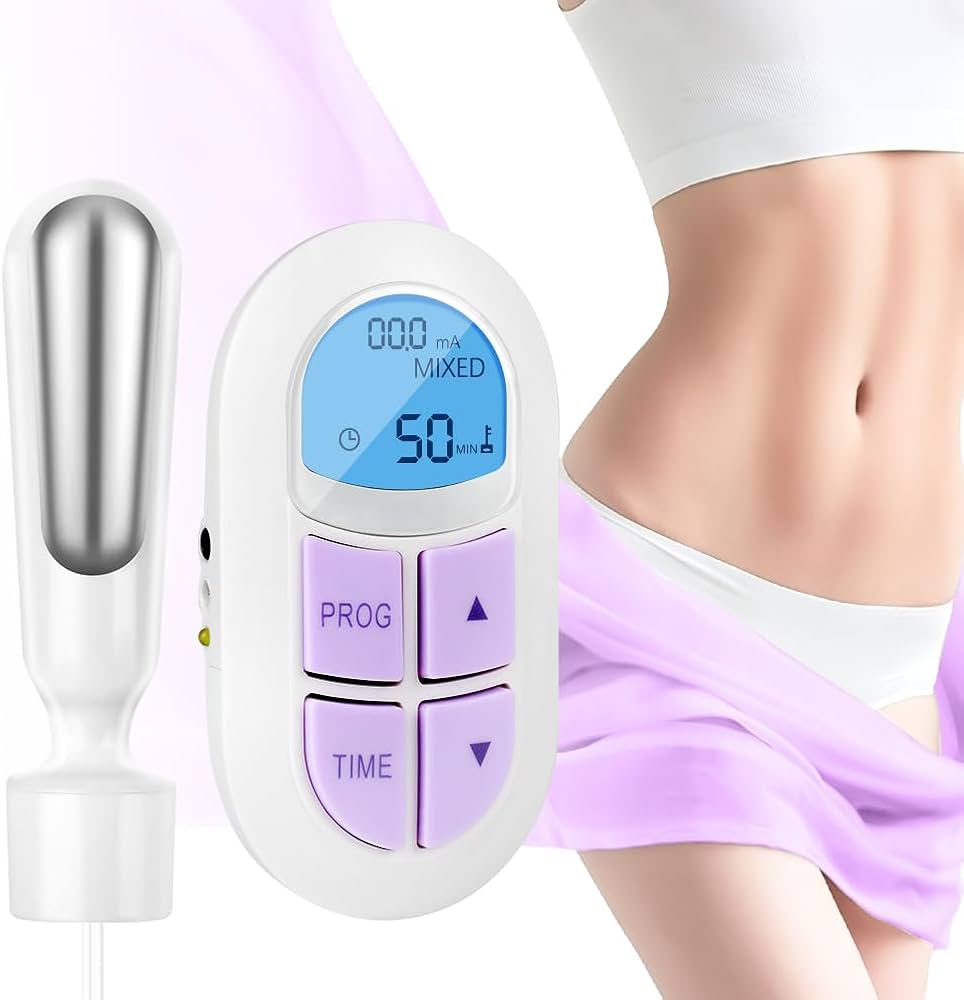
Pelvic floor health plays a vital role in bladder control, bowel function, core stability, and sexual wellness. However, pregnancy, childbirth, aging, surgery, and certain medical conditions can weaken these muscles over time. While traditional pelvic floor exercises remain an important part of rehabilitation, modern technology has introduced effective solutions that can enhance recovery. Among these innovations, pelvic floor electrostimulation devices have become a valuable option for people who need additional support in rebuilding muscle strength and improving pelvic function.
What Are Pelvic Floor Electrostimulation Devices?
Pelvic floor electrostimulation devices are medical or wellness devices designed to stimulate the pelvic floor muscles using gentle electrical impulses. These impulses trigger controlled muscle contractions, helping users activate muscles that may be difficult to contract voluntarily. The goal is to strengthen weak muscles, improve endurance, and support overall pelvic rehabilitation.
Many devices are designed for home use, while others are used in physical therapy clinics under professional supervision. Treatment programs typically allow users to adjust intensity levels according to comfort and therapeutic needs.
How Electrical Stimulation Supports Pelvic Floor Rehabilitation
Electrical stimulation works by sending low-frequency electrical signals through specialized electrodes. These signals imitate the body’s natural nerve impulses, causing the pelvic floor muscles to contract and relax repeatedly.
Regular sessions may help:
- Improve muscle strength
- Increase muscle endurance
- Enhance muscle coordination
- Support nerve-muscle communication
- Reduce symptoms related to muscle weakness
This technology is particularly beneficial for individuals who struggle to perform effective pelvic floor contractions on their own.
Common Conditions That May Benefit
Healthcare professionals may recommend pelvic floor electrostimulation as part of a broader rehabilitation plan for various pelvic health conditions, including:
- Stress urinary incontinence
- Urge urinary incontinence
- Mixed urinary incontinence
- Postpartum pelvic muscle weakness
- Pelvic floor dysfunction
- Recovery following pelvic surgery
- Certain cases of fecal incontinence
The suitability of treatment depends on an individual’s medical history and should be determined by a qualified healthcare provider.
Advantages of Pelvic Floor Electrostimulation Devices
These devices offer several potential benefits for individuals undergoing pelvic floor rehabilitation.
Improved Muscle Activation
Some people cannot correctly identify or contract their pelvic floor muscles. Electrical stimulation provides passive muscle activation, helping retrain weakened muscles.
Convenient Home Therapy
Many modern devices are compact, rechargeable, and designed for home use, allowing users to maintain consistent therapy without frequent clinic visits.
Supports Traditional Exercises
Electrical stimulation is often combined with pelvic floor exercises rather than replacing them. Together, they may produce better rehabilitation outcomes than exercise alone in selected patients.
Adjustable Treatment Programs
Most devices offer multiple intensity settings and treatment modes, allowing therapy to be personalized according to comfort and clinical recommendations.
Who May Consider Using These Devices?
Pelvic floor electrostimulation may be appropriate for:
- Women recovering after childbirth
- Adults experiencing urinary leakage
- Individuals with weakened pelvic floor muscles
- Patients recovering from pelvic procedures
- Older adults seeking non-surgical management options
Before beginning treatment, a healthcare assessment is recommended to determine the underlying cause of symptoms, as not every pelvic floor condition benefits from muscle stimulation.
Safety Considerations
Although pelvic floor electrostimulation devices are generally considered safe when used correctly, they should always be used according to manufacturer instructions and medical advice.
Users should seek professional guidance before treatment if they:
- Are pregnant unless specifically advised
- Have implanted electronic devices such as pacemakers
- Have active pelvic infections
- Experience unexplained pelvic pain or bleeding
- Have recently undergone surgery without medical clearance
Correct diagnosis is important because some pelvic floor disorders involve overly tight muscles, where strengthening therapies may not be appropriate.
Tips for Achieving Better Results
Consistency is one of the most important factors in pelvic floor rehabilitation. To maximize benefits:
- Follow the recommended treatment schedule.
- Gradually increase intensity only as advised.
- Combine therapy with prescribed pelvic floor exercises.
- Maintain a healthy body weight.
- Stay physically active.
- Practice good bladder and bowel habits.
- Attend follow-up appointments if recommended.
Improvement often develops gradually over several weeks of regular use.
Choosing the Right Device
When selecting a pelvic floor electrostimulation device, consider factors such as:
- Medical certification or regulatory clearance
- Ease of operation
- Comfortable design
- Adjustable stimulation settings
- Battery life
- Cleaning requirements
- Availability of customer support
- Guidance from a healthcare professional
Choosing a device that matches your individual condition and treatment goals can improve both comfort and effectiveness.
Conclusion
Pelvic floor health has a significant impact on daily comfort, confidence, and overall quality of life. Pelvic floor electrostimulation offers a modern rehabilitation approach that helps activate weakened muscles, supports recovery, and complements traditional pelvic floor training. While these devices are not a universal solution, they can become an effective part of a personalized treatment plan when used correctly. With proper guidance, consistent use, and realistic expectations, many individuals can experience meaningful improvements in pelvic muscle function and regain greater control over their everyday activities.